

Pre-Owned Chevrolet Corvette C7 vs Chevrolet Corvette C8 Performance and Ownership Differences
For performance shoppers exploring pre-owned Corvettes, the C7 and C8 represent two fundamentally different engineering philosophies. The C7 is the final evolution of the traditional front-engine Corvette. The C8 introduces a mid-engine layout, dual clutch transmission, and structural redesign that redefined the platform.
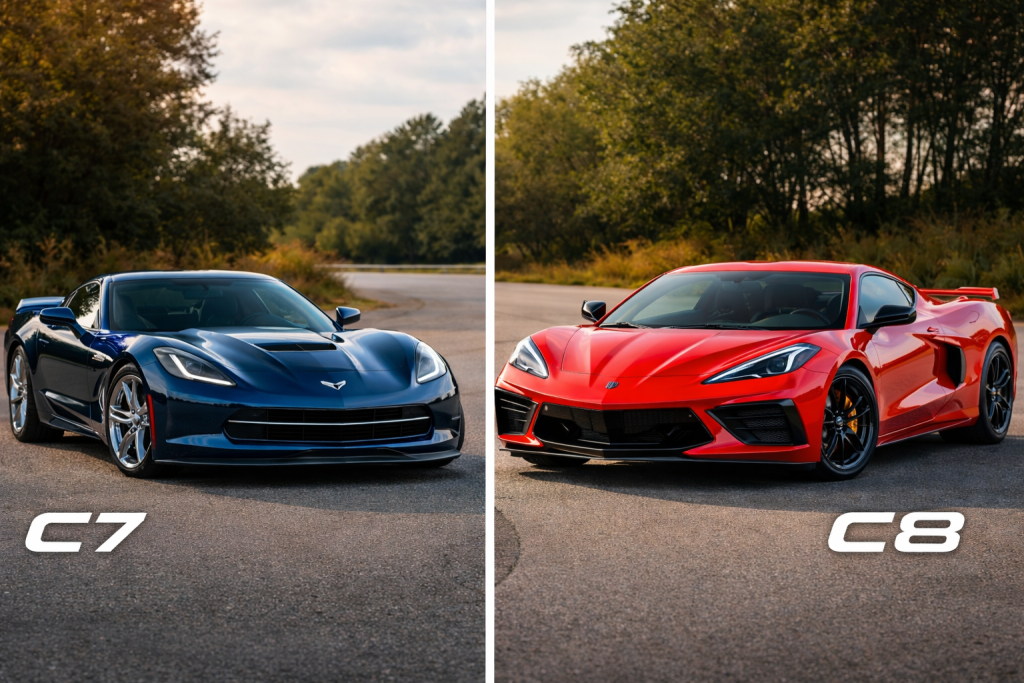
Choosing between them requires understanding architecture, performance behavior, transmission differences, reliability considerations, and long-term ownership dynamics.
Front-Engine vs Mid-Engine Architecture
C7 Corvette:
- Front-engine layout
- Rear-wheel drive
- Rear-mounted transaxle for improved balance
- Traditional Corvette proportions
C8 Corvette:
Read the rest of this entry »The 2026 Corvette Z06 is defined by its engine. While every C8 Corvette shares a mid-engine layout, the Z06 introduces the LT6, a naturally aspirated 5.5L V8 engineered with race-derived architecture. This is not a modified version of the LT2 found in the Stingray. It is a fundamentally different mechanical design built to sustain extreme RPM and deliver exotic-level response.
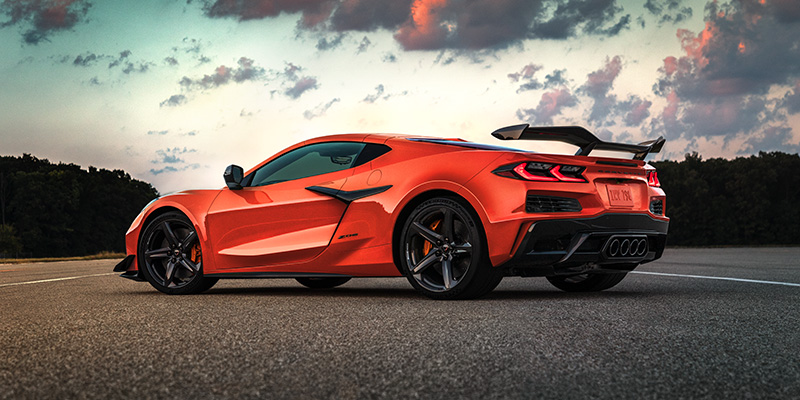
For performance-focused buyers, understanding how the LT6 operates clarifies why the Z06 occupies a distinct tier within the Corvette lineup.
LT6 Engine Architecture
At the core of the Z06 is the 5.5L LT6 V8.
Key Specifications:
- Naturally aspirated
- Flat-plane crankshaft
- Dual overhead camshaft design
- 32 valves
- Dry sump lubrication
- Titanium connecting rods
Output:
Read the rest of this entry »The 2026 Corvette Stingray and E-Ray share the same mid-engine LT2 foundation, but they deliver power differently. One is a pure rear-wheel-drive expression of naturally aspirated V8 balance. The other adds an electric front axle, transforming traction strategy and launch consistency.
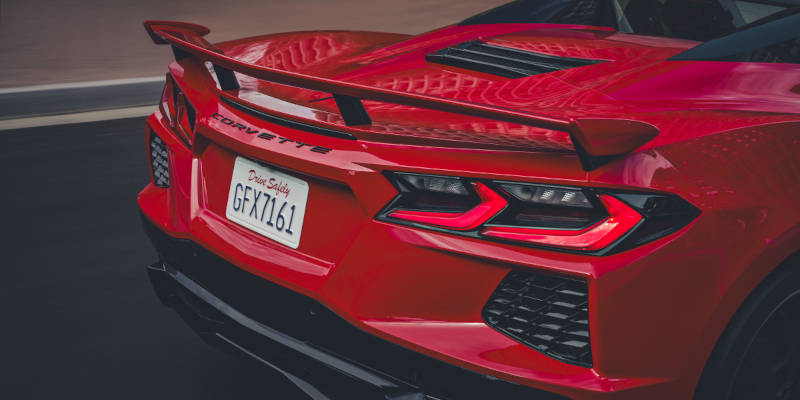
For buyers comparing these two Corvettes as real-world sports cars, the question is not simply which is faster. It is how drivetrain architecture affects daily drivability, traction confidence, ride behavior, and handling character.
Shared LT2 Foundation
Both Stingray and E-Ray use the 6.2L LT2 naturally aspirated V8 mounted behind the driver.
Common performance architecture:
- Mid-engine layout
- Eight-speed dual clutch transmission
- Lightweight aluminum structure
- Magnetic Ride Control availability
- Rear limited slip differential
This shared platform means cabin ergonomics, seating position, steering layout, and base suspension geometry are fundamentally similar.
Where they differ is how torque reaches the pavement.
Read the rest of this entry »The 2026 Corvette E-Ray is not simply a Corvette with added electric power. It is the first electrified, all-wheel-drive Corvette engineered around torque deployment strategy. The hybrid system is designed specifically to enhance launch control performance, improve traction consistency, and deliver repeatable sub three second acceleration.
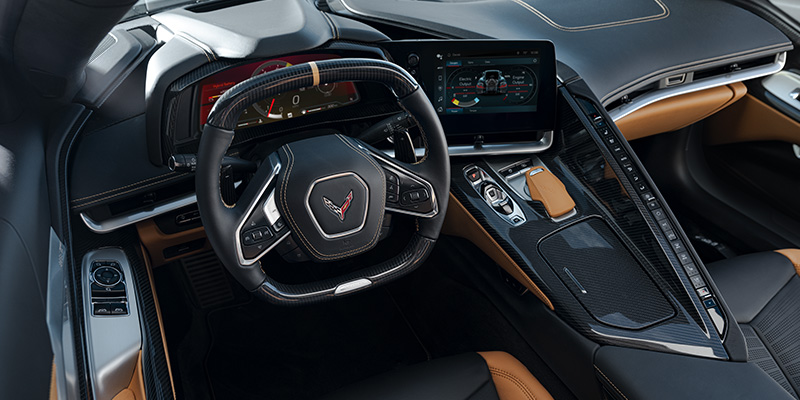
Understanding how electric assist integrates with launch control requires examining system architecture, torque distribution, battery placement, and traction management logic.
Core Powertrain Architecture
The E-Ray combines two propulsion systems:
Rear Axle:
- 6.2L LT2 naturally aspirated V8
- Mid-mounted configuration
- Eight-speed dual clutch transmission
Front Axle:
Read the rest of this entry »The Corvette E-Ray represents a fundamental expansion of what Corvette performance means. Rather than chasing higher peak horsepower or higher rev limits, the E-Ray focuses on how power is delivered to the pavement. Its hybrid all-wheel-drive system is not designed for fuel economy or electric cruising. It is engineered to maximize traction, sharpen response, and produce repeatable acceleration in conditions where rear-wheel-drive performance cars struggle.
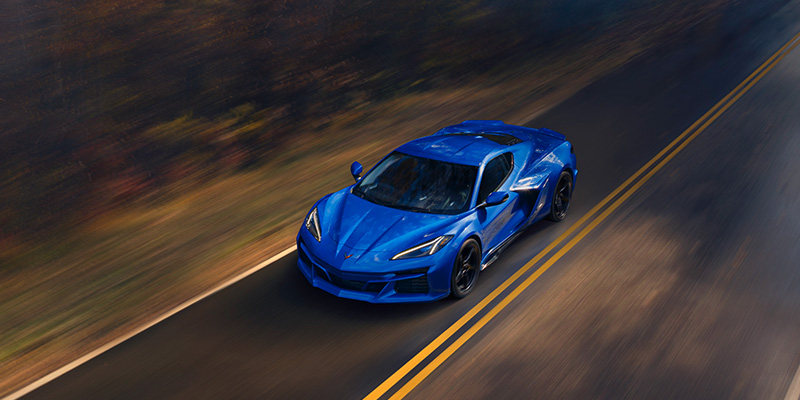
Understanding the E-Ray requires looking beyond combined horsepower figures and into how its hybrid and drivetrain systems interact in real driving.
Hybrid Architecture and System Layout
The E-Ray pairs a mid-mounted naturally aspirated V8 driving the rear wheels with a compact electric motor powering the front axle. There is no mechanical connection between the front and rear axles.
Key architectural elements include:
Read the rest of this entry »Ordering a 2026 Corvette is less about choosing a car and more about configuring a performance system. Unlike typical vehicles where trim alone defines character, the Corvette’s behavior is determined by how trims, powertrains, suspension packages, and aerodynamic options interact.
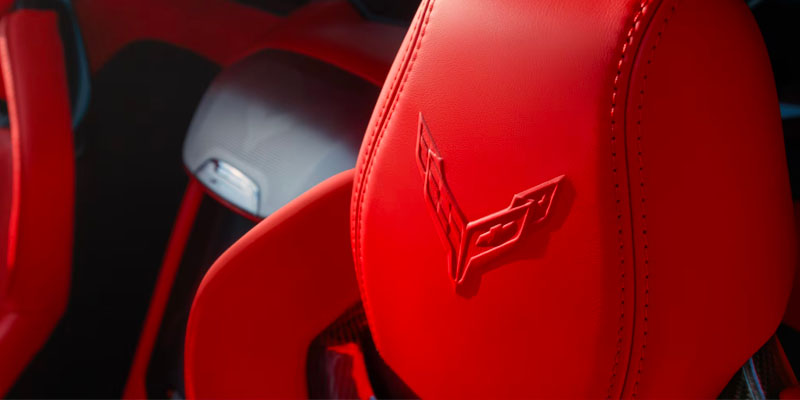
For performance-focused buyers, understanding how these elements stack together is essential to building a Corvette that aligns with real driving intent rather than surface-level specifications.
Corvette Trim Structure Explained
The Corvette lineup is organized around core trims that establish drivetrain layout and baseline capability. Each trim then supports multiple performance paths through package selection.
Primary Corvette trims include:
Read the rest of this entry »The Corvette Z06 and the Z07 package are often discussed as if they represent two different cars. In reality, the Z07 is a comprehensive performance amplification layer built on top of the Z06’s mid-engine platform. Understanding the difference requires moving past horsepower figures and into aerodynamics, thermal management, braking endurance, and chassis behavior under sustained load.
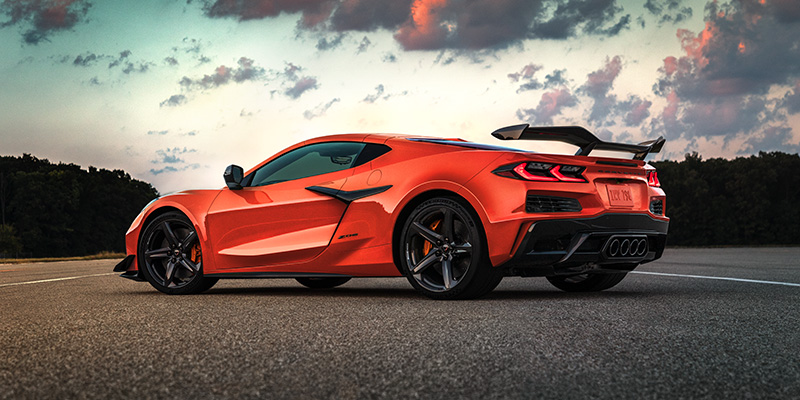
For 2026, the decision between Z06 and Z06 equipped with Z07 is fundamentally a decision about how far toward dedicated track performance the driver intends to go.
Core Z06 Foundation
The Z06 begins with a purpose-built performance platform centered around a naturally aspirated flat-plane-crank V8 mounted in a mid-engine configuration. This engine’s high-revving character places significant thermal and airflow demands on the vehicle, which the Z06 addresses through extensive cooling architecture.
Base Z06 characteristics include:
Read the rest of this entry »The move to a mid-engine layout was the single most consequential engineering decision in Corvette history. For 2026, every Corvette variant benefits from a chassis architecture that fundamentally reshapes how the car accelerates, turns, brakes, and communicates at the limit. This is not a styling evolution or a packaging exercise. It is a structural solution to the physical constraints that defined front-engine Corvettes for decades.
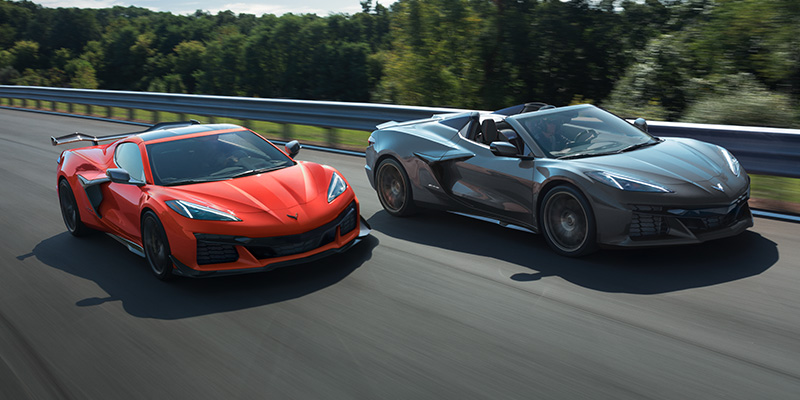
By relocating the engine behind the driver and ahead of the rear axle, Chevrolet changed how mass is distributed, how weight transfers under load, and how the tires are asked to do their work. The result is a Corvette that behaves like a true modern supercar, not just in peak numbers, but in repeatable, controllable performance.
Mid-Engine Corvette Models
Every modern Corvette built on the C8 platform uses a mid-engine layout. This architecture places the engine behind the driver and ahead of the rear axle, forming the foundation for all current and future high-performance Corvette variants.
The following Corvette models are mid-engine:
Read the rest of this entry »2025 Corvette Owner Guide: Break-In Procedure, Driving Modes & First-Month Performance Tips
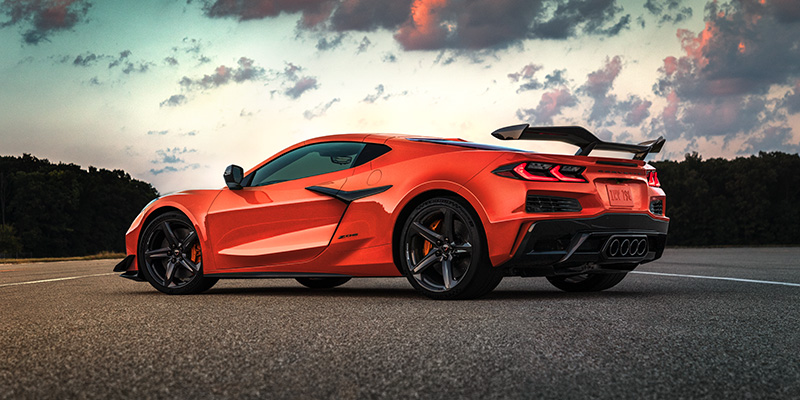
Taking delivery of a 2025 Corvette is more than a milestone purchase. It is the start of a mechanical relationship that rewards disciplined early ownership. While modern Corvettes are engineered with advanced materials, tight tolerances, and extensive factory testing, the first month of driving still plays a critical role in how the vehicle performs long term. Break-in is not about limiting capability. It is about conditioning systems so they deliver consistent, repeatable performance when fully unleashed.
This guide explains how to approach break-in, how to use driving modes effectively, and what habits matter most during the first month of ownership.
Why Break-In Still Matters on a Modern Corvette
Even with precision machining and modern assembly processes, internal components require controlled wear to establish ideal contact surfaces. Break-in allows these parts to mate correctly under varied loads and temperatures.
Key systems affected during break-in include:
- Piston rings seating against cylinder walls for proper sealing
- Bearings establishing stable oil film behavior
- Valvetrain components synchronizing under load
- Transmission clutches and gears bedding in smoothly
Rushing this process can lead to uneven wear that affects responsiveness and durability over time.
Break-In Mileage and Driving Approach
Rather than focusing on a single mileage number, break-in should be approached as a phase defined by driving behavior. Varying engine speed and load is more beneficial than gentle driving alone.
Best practices during early ownership include:
- Avoiding sustained engine speeds at a constant rpm
- Varying throttle input throughout drives
- Refraining from full-throttle acceleration early on
- Allowing the engine to reach operating temperature before increasing load
This approach promotes even wear and stable performance characteristics.
RPM Management During Early Miles
High engine speed generates increased friction and heat before components are fully conditioned. Early driving should keep engine speed within moderate ranges while still allowing variation.
RPM-related guidance includes:
- Avoiding extended operation near redline
- Letting the engine experience both low and mid-range rpm
- Using smooth acceleration rather than abrupt throttle inputs
- Avoiding aggressive downshifts that spike rpm early
Gradual exposure prepares the engine for high-performance operation later.
Transmission Break-In and Shift Behavior
The Corvette transmission is engineered for performance, but it also benefits from early conditioning. Clutch packs and gear interfaces require controlled engagement to develop smooth operation.
Transmission-focused habits include:
- Smooth throttle application during shifts
- Avoiding repeated launch-style starts
- Allowing the transmission to warm fully before spirited driving
- Letting shift logic adapt naturally over time
These habits support consistent shift quality and long-term reliability.
The Importance of Thermal Cycling
Thermal cycling refers to allowing components to heat up fully and then cool down repeatedly. This process stabilizes materials and relieves internal stress.
Effective thermal cycling includes:
- Driving long enough to reach full operating temperature
- Allowing the vehicle to cool between drives
- Avoiding exclusively short trips during early ownership
- Mixing city and highway driving
Balanced thermal cycles contribute to long-term mechanical stability.
Understanding Corvette Driving Modes
The 2025 Corvette offers multiple driving modes that adjust throttle response, steering effort, suspension behavior, and drivetrain calibration.
Core driving modes include:
- Tour mode for smooth, compliant daily driving
- Sport mode for sharper response and engagement
- Track mode for maximum performance calibration
- Custom or Z Mode for personalized settings
Each mode changes how aggressively the vehicle responds to driver inputs.
Driving Mode Strategy During Break-In
During the break-in phase, conservative use of aggressive modes helps manage load while still allowing varied driving conditions.
Recommended early mode use includes:
- Favoring Tour or Sport for daily driving
- Using Track mode sparingly early on
- Avoiding repeated launch control use
- Gradually increasing performance exposure as mileage accumulates
This strategy balances enjoyment with mechanical care.
Corvette Z Mode Explained for New Owners
Z Mode allows drivers to configure individual performance parameters such as throttle response, suspension stiffness, and steering feel.
Early ownership considerations for Z Mode include:
- Selecting moderate throttle response initially
- Avoiding maximum transmission aggressiveness early
- Gradually increasing settings as the vehicle completes break-in
Z Mode offers flexibility without forcing an all-or-nothing performance profile.
First-Month Driving Habits That Influence Long-Term Performance
Small habits during the first month have a lasting impact on how the Corvette feels and responds.
Positive early habits include:
- Smooth throttle transitions
- Progressive braking rather than abrupt stops
- Controlled steering inputs
- Paying attention to vehicle feedback
These behaviors promote balanced wear across systems.
When Track Driving Should Begin
Track driving places sustained, extreme demands on the engine, transmission, brakes, and cooling systems. It should be postponed until break-in is complete and systems are fully conditioned.
Indicators that the Corvette is track-ready include:
- Completion of initial break-in mileage
- Stable fluid temperatures under spirited driving
- Consistent throttle and shift response
- Confidence in braking performance
Waiting ensures performance remains consistent lap after lap.
Early Maintenance Awareness
While major service may not occur in the first month, owners should remain attentive to vehicle condition.
Early ownership checks include:
- Monitoring fluid levels
- Observing warning indicators or messages
- Listening for abnormal noises
- Noting changes in drivability or shift behavior
Addressing concerns early supports long-term reliability.
What New Corvette Owners Should Evaluate
During the first month, owners should evaluate:
- Engine responsiveness as mileage increases
- Transmission smoothness and consistency
- Brake feel under varied conditions
- Ride quality and chassis balance
This awareness helps owners understand how the vehicle evolves through break-in.
Final Perspective on First-Month Corvette Ownership
The 2025 Corvette is engineered for extreme performance, but that capability is best realized through thoughtful early ownership. Break-in is not about restraint. It is about preparation. By managing load, using driving modes strategically, and building smooth habits, owners ensure the Corvette delivers its full potential when it matters most.
A properly conditioned Corvette rewards its owner with confidence, consistency, and durability that extend from daily driving to track-level performance.
C8 Dual-Clutch Transmission Engineering: Why the DCT Improves Corvette Acceleration & Track Consistency
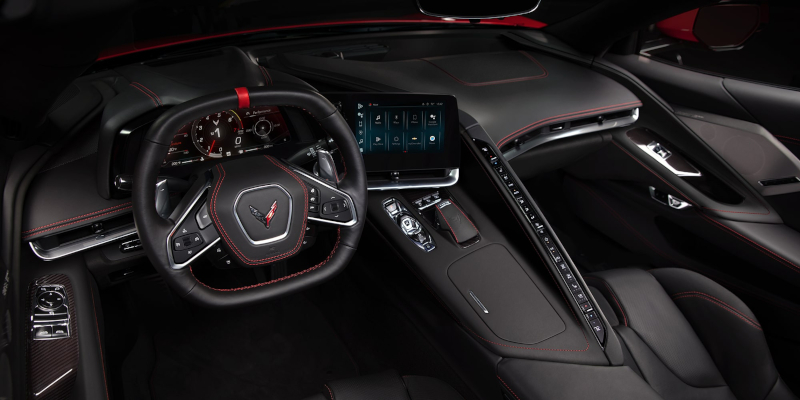
The shift to a dual-clutch transmission in the mid-engine Corvette C8 marked one of the most consequential engineering decisions in the model’s history. This change was not made for convenience or novelty. It was required to fully unlock the performance potential of the C8 platform by delivering faster acceleration, tighter power delivery control, and repeatable performance under track conditions.
Understanding how the C8 dual-clutch transmission works explains why the Corvette accelerates harder, shifts faster, and behaves more consistently than previous generations.
Why Corvette Moved to a Dual-Clutch Transmission
The C8’s mid-engine layout fundamentally changed drivetrain packaging and performance priorities. Traditional torque-converter automatics and manual transmissions could not deliver the precision or packaging efficiency required.
Key reasons for adopting a DCT include:
- Ability to package efficiently behind a mid-mounted engine
- Faster shift times than manual or traditional automatic designs
- Continuous torque delivery during gear changes
- Improved thermal management under track loads
The transmission became an active performance component rather than a passive intermediary.
How a Dual-Clutch Transmission Works
A dual-clutch transmission uses two separate clutches to manage alternating gear sets. One clutch controls the odd-numbered gears, while the other controls the even-numbered gears.
Operational fundamentals include:
- Pre-selection of the next gear before the shift occurs
- One clutch disengages as the other engages
- Power delivery remains uninterrupted during shifts
- Gear changes occur in milliseconds
This architecture eliminates the pause in acceleration common with single-clutch systems.
Acceleration Gains Through Continuous Power Delivery
Acceleration is not just about horsepower. It is about how consistently that power reaches the wheels. The C8 DCT improves acceleration by maintaining engine load through shifts.
Acceleration benefits include:
- No torque interruption between gears
- Faster 0 to 60 times through uninterrupted thrust
- More efficient use of engine powerband
- Reduced drivetrain shock during hard launches
This allows the Corvette to stay in its optimal performance range throughout acceleration.
Shift Speed and Driver Control
Shift speed is critical in both straight-line acceleration and corner exit. The C8 DCT delivers shifts faster than human-operated manuals and most automatics.
Shift characteristics include:
- Immediate upshifts under full throttle
- Crisp downshifts under braking
- Rev-matched gear changes without driver input
- Consistent behavior regardless of driver fatigue
For track driving, this consistency allows drivers to focus on line and braking rather than gear timing.
Track Consistency and Heat Management
Track driving places extreme thermal stress on transmissions. The C8 DCT is engineered to handle repeated high-load shifts without degradation.
Engineering considerations include:
- Dedicated cooling circuits for transmission components
- Lubrication systems designed for sustained high rpm
- Materials selected to withstand heat cycling
- Calibration that prevents overheating without reducing performance
These features support consistent lap times rather than a single peak run.
Integration With the Mid-Engine Layout
The DCT integrates tightly with the C8’s mid-engine architecture. Its placement contributes to balanced weight distribution and improved vehicle dynamics.
Layout benefits include:
- Compact transmission design reduces mass behind the rear axle
- Improved weight balance for handling
- Shorter drivetrain path reduces power loss
- Enhanced traction during acceleration
Transmission design directly supports chassis performance rather than compromising it.
Dual-Clutch Versus Traditional Automatics
Compared to torque-converter automatics, a DCT offers sharper response and greater efficiency under load.
Key differences include:
- No torque converter slip during acceleration
- Faster gear engagement
- More direct mechanical connection
- Reduced heat generation under performance driving
This makes the DCT better suited for sustained high-performance use.
Reliability and Durability Considerations
High-performance transmissions often raise reliability concerns. The C8 DCT addresses this through robust engineering and conservative operational limits.
Reliability-focused features include:
- Extensive durability testing under track conditions
- Reinforced clutch packs
- Software controls that manage stress without dulling response
- Redundant cooling and lubrication strategies
These measures allow the DCT to deliver performance without sacrificing longevity.
Daily Driving Versus Track Use
Despite its track capability, the C8 DCT remains manageable in everyday driving. Calibration allows smooth low-speed operation when performance is not demanded.
Street driving benefits include:
- Smooth gear changes during light throttle use
- Predictable behavior in traffic
- Immediate response when acceleration is needed
- No learning curve for drivers unfamiliar with manuals
This dual personality broadens the Corvette’s usability.
What Enthusiasts Should Evaluate
When evaluating the C8 DCT, enthusiasts should consider:
- Preference for seamless acceleration versus manual involvement
- Importance of track consistency
- Desire for repeatable performance under load
- Long-term durability expectations
The DCT is engineered for drivers who value precision and consistency.
Final Perspective on the C8 Dual-Clutch Transmission
The dual-clutch transmission is central to the Corvette C8’s performance identity. By eliminating power interruption, improving shift speed, and maintaining consistency under extreme conditions, the DCT allows the Corvette to exploit its mid-engine platform fully.
This is not a convenience feature. It is a performance tool that enables faster acceleration, more predictable handling, and repeatable track results. For drivers who understand that true performance comes from precision as much as power, the C8 dual-clutch transmission is a defining element of the modern Corvette.
Connect with us
