

The first month of Corvette ownership sets the foundation for how the car performs over its entire life. Modern Corvettes are built with tight tolerances and advanced materials, but mechanical components still benefit from a structured break-in period. This process is not about limiting enjoyment. It is about conditioning critical systems so they deliver consistent performance, durability, and responsiveness long term.
Understanding how to manage break-in, driving modes, and early driving habits helps owners protect their investment while preparing the Corvette for future performance use.
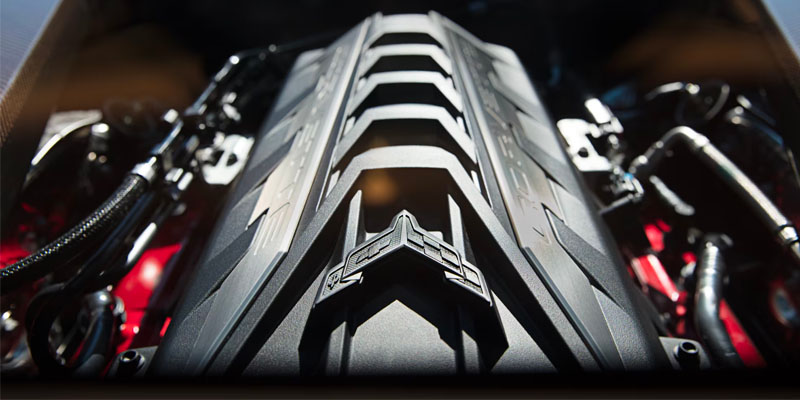
Why Break-In Still Matters on a Modern Corvette
Even with advanced manufacturing, internal engine and drivetrain components require controlled wear to mate surfaces properly. Break-in allows parts to establish optimal contact patterns under varying loads and temperatures.
Key systems affected during break-in include:
- Piston rings seating against cylinder walls
- Bearings establishing proper oil film behavior
- Valvetrain components synchronizing under load
- Transmission clutches and gears bedding in
Skipping or rushing this process can lead to uneven wear that impacts performance consistency.
Corvette Break-In Mileage and Load Management
The early miles are less about a fixed distance and more about how the vehicle is driven. Varying engine speed and load allows components to experience different pressures and temperatures.
Best practices during early driving include:
- Avoiding sustained high rpm operation
- Varying speed rather than using cruise control constantly
- Applying moderate throttle rather than full acceleration
- Allowing the engine to fully warm before higher loads
Gradual exposure to load helps components settle correctly.
RPM Guidance During Break-In
High engine speed places increased stress on internal components before surfaces are fully conditioned. Early operation should stay within moderate rpm ranges while still allowing the engine to experience varied use.
RPM-related considerations include:
- Avoiding extended high rpm driving
- Using the full rev range gradually over time
- Allowing engine speed to rise and fall naturally
- Avoiding aggressive downshifts early on
This controlled approach supports proper ring seating and bearing conditioning.
Transmission Break-In and Drivetrain Behavior
The Corvette’s transmission also benefits from an initial break-in period. Clutch packs and gear surfaces require controlled engagement to develop smooth operation.
Transmission-focused tips include:
- Smooth throttle inputs during shifts
- Avoiding repeated launch-style starts
- Allowing the transmission to reach operating temperature
- Letting shift behavior normalize gradually
These habits improve long-term shift quality and durability.
Thermal Cycling and Its Importance
Thermal cycling refers to allowing components to heat up and cool down repeatedly. This process stabilizes materials and reduces internal stress.
Effective thermal cycling includes:
- Driving the vehicle for moderate distances
- Allowing full warm-up before spirited driving
- Letting the vehicle cool after driving sessions
- Avoiding short trips exclusively during early ownership
Balanced use supports long-term reliability.
Understanding Corvette Driving Modes
Modern Corvettes offer multiple driving modes designed to tailor throttle response, steering, suspension, and drivetrain behavior.
Common driving mode functions include:
- Tour mode prioritizing comfort and smooth response
- Sport mode sharpening throttle and steering feel
- Track mode optimizing performance systems
- Custom modes allowing driver-defined preferences
Each mode influences how aggressively the vehicle responds.
Driving Mode Use During Break-In
During the initial ownership period, conservative modes help manage load while still allowing varied driving conditions.
Recommended early mode usage includes:
- Favoring Tour or Sport for daily driving
- Using Track mode sparingly early on
- Avoiding aggressive launch control use
- Gradually introducing performance modes over time
This approach balances enjoyment with mechanical care.
Corvette Z Mode Explained
Z Mode allows drivers to configure performance settings independently, blending comfort and aggression based on preference.
Z Mode considerations during early ownership include:
- Using moderate throttle and suspension settings initially
- Avoiding maximum engine and transmission aggressiveness
- Gradually increasing performance parameters as mileage accumulates
This customization allows drivers to ease into full performance capability.
First-Month Driving Habits That Matter
Early ownership habits shape how the Corvette feels long term. Small choices accumulate into meaningful differences.
Positive first-month habits include:
- Smooth throttle transitions
- Progressive braking rather than abrupt stops
- Steering inputs that remain controlled
- Paying attention to vehicle feedback
These behaviors support balanced component wear.
When Track Driving Should Begin
Track driving places the highest demands on the engine, transmission, brakes, and tires. It should be delayed until break-in is complete and systems are fully conditioned.
Track readiness indicators include:
- Completion of initial break-in mileage
- Normalized engine and transmission behavior
- Stable fluid temperatures under load
- Confidence in braking and handling response
Waiting ensures the vehicle performs consistently under extreme conditions.
Early Maintenance Awareness
Although major maintenance may not occur in the first month, owners should remain attentive to vehicle condition.
Early ownership checks include:
- Monitoring fluid levels
- Observing any warning messages
- Listening for abnormal noises
- Noting changes in shift behavior
Addressing concerns early supports long-term reliability.
What New Owners Should Evaluate
During the first month, owners should evaluate:
- Throttle responsiveness as mileage increases
- Shift smoothness and consistency
- Brake feel under varying loads
- Ride comfort and handling balance
This feedback helps owners understand how the vehicle evolves through break-in.
Final Perspective on First-Month Corvette Ownership
The Corvette is engineered for extreme performance, but that capability is best unlocked through disciplined early ownership. Break-in is not about restriction. It is about preparation. By managing load, using driving modes thoughtfully, and developing smooth habits, owners set the stage for years of confident performance.
A properly conditioned Corvette rewards its owner with consistency, responsiveness, and durability that can be enjoyed on the street and the track alike.
Connect with us
