

Yes, the current Corvette does have its engine in the back. Starting with the 2020 model year, Chevy moved away from decades of front engine design. This guide explains why that switch happened and breaks each change down clearly. It also covers what changes in traffic and parking, and what a driver coming from an older Corvette should expect.
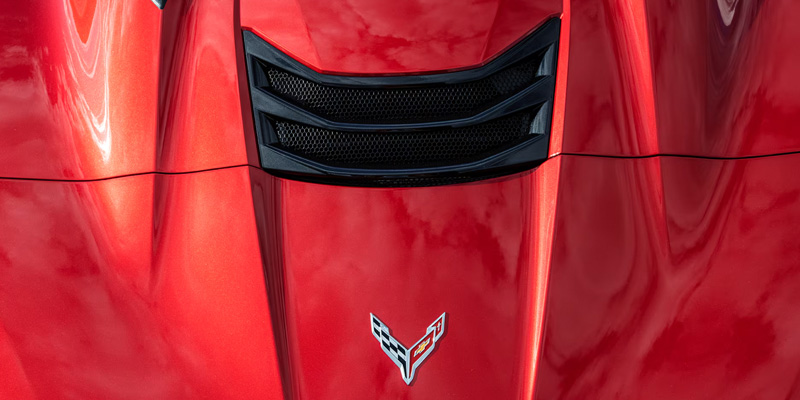
Do Corvettes Have Engines in the Back?
The direct answer is yes, but only since the C8 generation. Every Corvette built before 2020 placed the engine up front, behind the grille and ahead of the driver. That layout had stayed consistent across nearly seven decades of Corvette generations. The C8 moved that V8 behind the driver and ahead of the rear axle. This layout is known as mid engine. However, the shift was not cosmetic. It changed where weight sits across the chassis. Because the engine now sits closer to the car’s center, the car balances differently through a corner. That balance shift is the main engineering reason behind the move, and it shapes nearly every other change discussed in this guide.
The Reason Behind the Move to the Back
This question comes up constantly among shoppers comparing Corvette generations. The direct answer centers on weight distribution. A front engine Corvette carries roughly 50 percent of its weight up front. A mid engine Corvette shifts that closer to a 40 front, 60 rear split. That rear weight bias boosts traction during hard acceleration. Because more weight sits over the driven wheels under power, the rear tires grip the pavement harder off the line.
The Hood Line Benefit Nobody Talks About
Additionally, moving the engine back let engineers lower the hood line. Instead, there is no longer a large engine block sitting ahead of the driver. That lower hood opens up forward visibility, and shoppers notice it right away when comparing a C7 to a C8. A flatter front end also makes it easier to judge distance to curbs and parking blocks. For this reason, the switch solved two problems at once. It fixed weight balance and gave drivers a clearer view forward.
What Changes in Traffic and Parking?
This question moves the conversation away from handling and toward daily use. A mid engine layout places the engine behind the driver. That means the rear of the car houses mechanical parts instead of a trunk or back seat. As a result, the view through the back window is more limited than in a front engine Corvette. The engine bay sits directly behind the cabin. However, many C8 owners adjust by relying more on the rearview camera and side mirrors. This becomes routine when backing out of a driveway or a tight space, and most owners report it stops feeling unusual within the first month.
Tighter Spaces Need a Bit More Care
Even so, the car’s overall length and width stayed close to its predecessor. Therefore, the footprint in a parking space feels familiar once a driver adjusts to the new view. Beyond that, the wider rear fenders on the C8 mean a driver should leave extra clearance. This matters most in tight garage entries or narrow alleys.
What an Older Corvette Owner Should Expect
A driver moving from a C6 or C7 into a C8 will notice the seating position shifts forward. That change comes directly from the mid engine layout. The driver now sits closer to the front axle instead of near the middle of the car. Consequently, the car feels more connected to the front wheels through tight turns. That connection comes from the driver sitting nearer the front axle, where steering input feels more direct. Drivers tend to describe this as sharper steering feedback. Still, the biggest adjustment for most owners is backing out of a space. The rear window view they relied on for years is gone. A short test drive focused on reverse maneuvers lets a shopper judge that adjustment before committing to the switch. Practicing a few parking lot maneuvers during that drive can reveal whether the visibility change feels manageable day to day.
Living With the Mid Engine Layout Day to Day
Once the visibility adjustment becomes routine, most owners report the mid engine layout fits daily driving without much friction. That ease comes largely from how quickly the brain adapts to relying on mirrors and cameras instead of a direct rear window view. The lower hood line changes how the front of the car reads in traffic. A driver can place the nose more precisely near curbs and other vehicles. Beyond that, parking garages with tight clearance need a bit more attention to the wider rear fenders. This becomes second nature within the first few weeks of ownership.
The seating position closer to the front axle also changes how road texture registers compared to a front engine Corvette. Still, most drivers describe this as a small shift, not a dramatic one. For a shopper weighing the move from a front engine Corvette to the mid engine C8, one point holds steady. The visibility and seating changes are real, but they settle into habit faster than the spec sheet differences might suggest.
Connect with us
