
Ross Downing Corvettes

Blog / National Corvette Museum

Corvette Museum Tickets and Bowling Green Visit Guide

Corvette Museum Tickets and Bowling Green Visit Guide

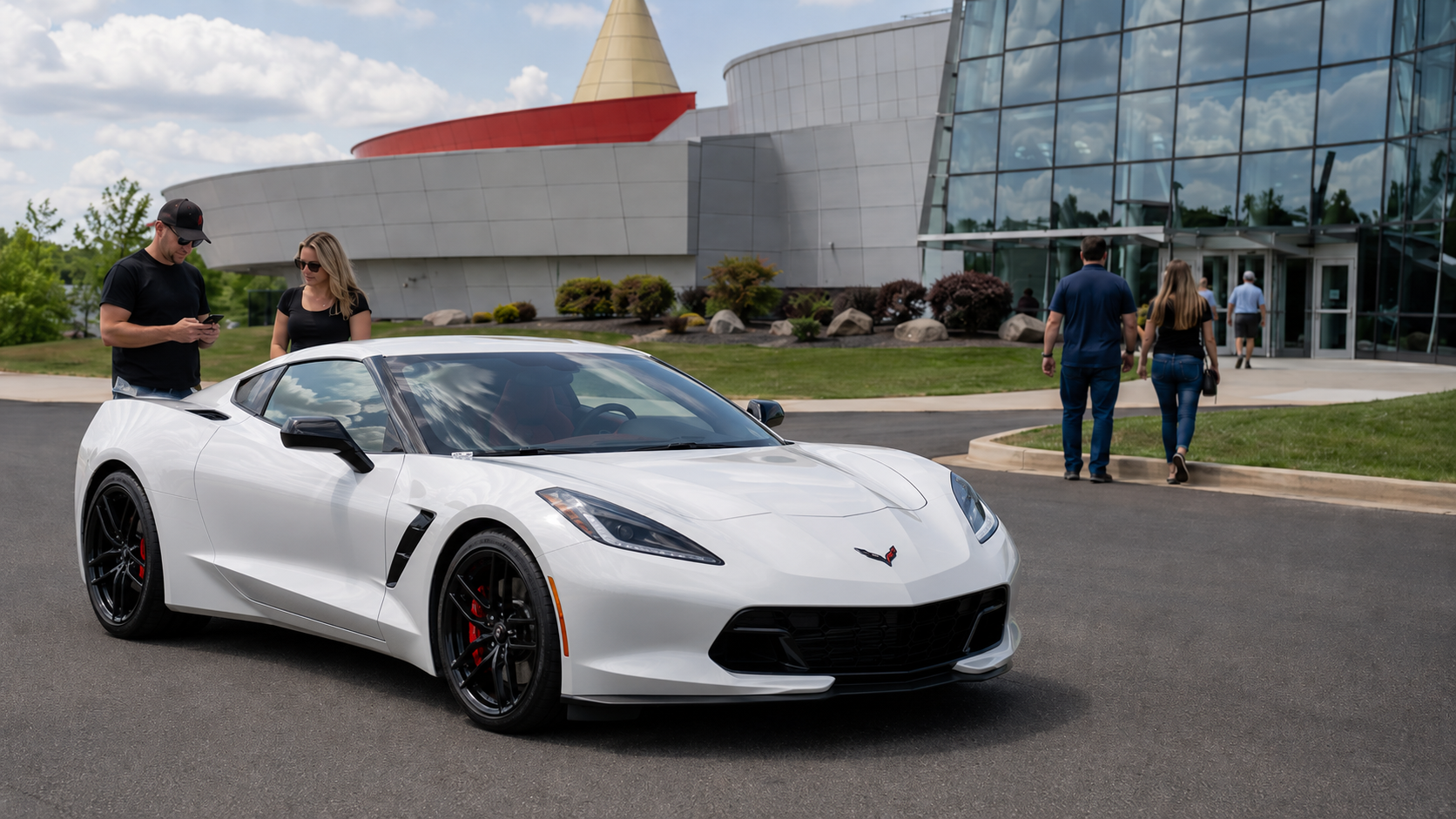
Corvette Museum tickets are easier to plan when you know the hours, admission choices, and Bowling Green stops. In addition, a museum visit can include galleries, shopping, dining, simulators, or a plant tour. Therefore, timing matters before you build the rest of the day. Some visitors are also traveling for R8C Museum Delivery. That trip follows a different schedule because the vehicle handoff has its own timing and document requirements.

How Much Time Should You Plan at the Corvette Museum?

Most groups spend about 90 minutes to two hours inside the National Corvette Museum. However, that estimate mainly covers time in the galleries. Shopping, simulator sessions, dining, and photos can extend the visit.

Corvette Museum tickets can be purchased online or at the Museum. Current adult admission is $25, while senior admission is $23. Youth admission is $14, and children age four and younger enter free. In addition, the Museum currently operates from 9:00 AM to 5:00 PM Central Time.

How much time should you reserve? Plan at least two hours if the galleries are your main focus. Therefore, add more time when the Corvette Store, Stingray Grill, or simulators are part of your day.

Arriving earlier also gives you more room if your pace changes. Beyond that, Central Time matters when you are driving in from another time zone. Check the current operating calendar before leaving home because seasonal closures can change the available days.

Add Time for the Store, Dining, and Simulators

Furthermore, the Museum visit can extend well beyond the exhibit halls. In addition, the Corvette Store gives enthusiasts a dedicated retail stop inside the building. The store covers about 5,000 square feet and carries apparel, collectibles, gifts, and Corvette merchandise.

Should you leave time for shopping? Yes, if memorabilia or model specific items are part of the trip. A quick stop can turn into a longer browse once you see the full selection.

The Stingray Grill also gives visitors an on site dining option. Therefore, lunch does not require leaving the Museum complex. Racing simulators add another activity for visitors who want seat time before heading back to the road.

Simulator sessions use separate pricing from Corvette Museum tickets. For this reason, include them in both your schedule and your trip budget. The Museum currently lists individual sessions at $18 and head to head sessions at $30.

A simple plan works well. Tour the galleries first, then decide whether shopping, food, or simulator time fits before your next stop.

Does a Corvette Museum Ticket Include the Plant Tour?

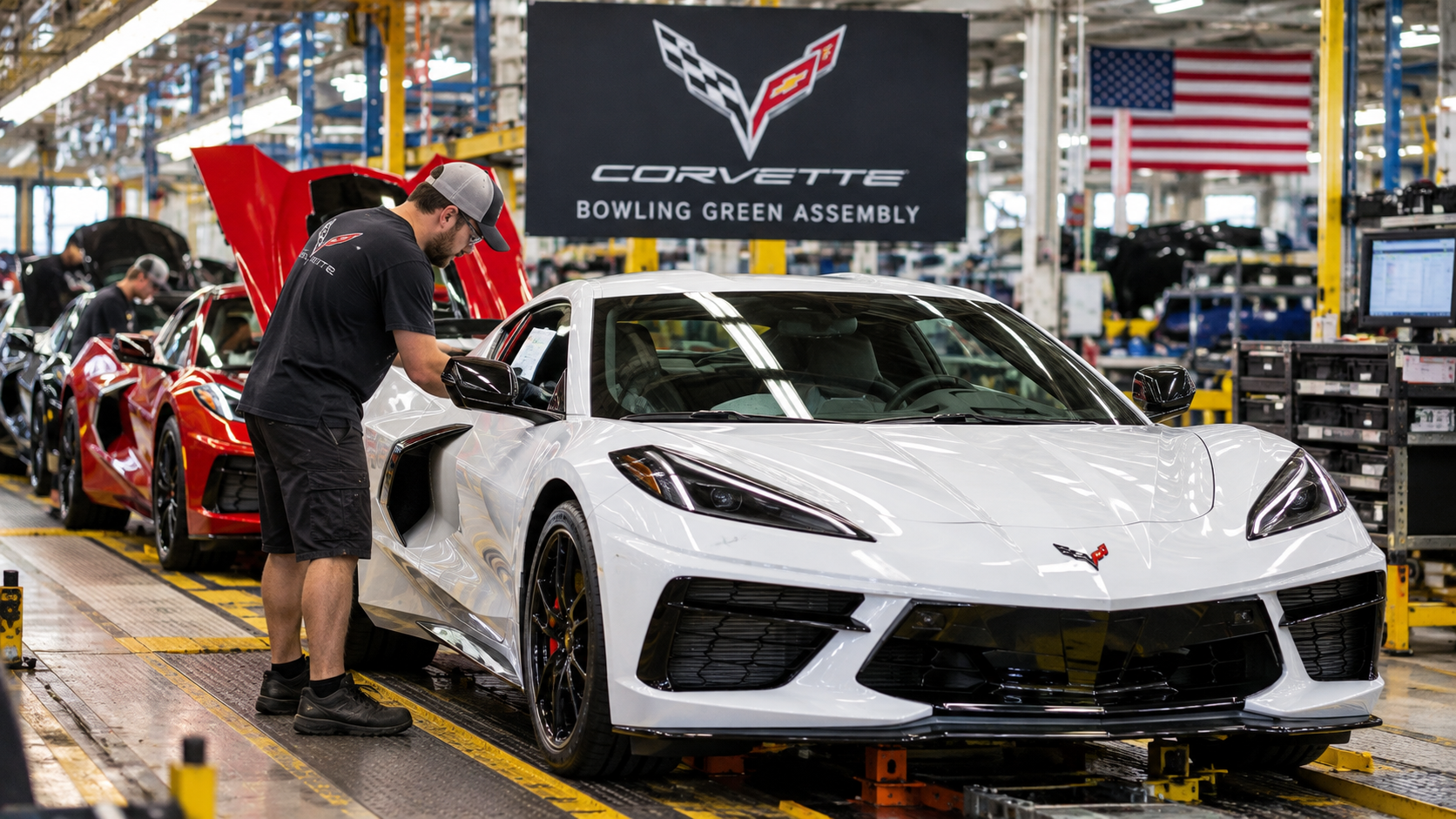
Museum admission and the Bowling Green Assembly Plant tour are separate purchases. Therefore, a Corvette Museum ticket does not provide automatic plant access.

Plant tours run only on selected dates. In addition, advance online booking is required. Visitors need Museum admission and a separate plant tour ticket for the same day.

Several rules also shape plant tour planning:

  • Guests must be 13 or older before entering the assembly plant tour.
  • Closed toe and closed heel shoes are required, so footwear should be checked before leaving for Bowling Green.
  • Visitors should arrive at least 30 minutes early because phones, cameras, and other electronics cannot enter the tour.

These rules matter when your group includes children or people carrying electronics. Therefore, some family members may need a different plan during the plant visit.

However, the plant and Museum sit close together, while the two stops follow different schedules. Build the day around the plant appointment first. Then place your museum visit before or after that fixed time.

How R8C Museum Delivery Works

R8C Museum Delivery is a new Corvette delivery option selected through the selling Chevrolet dealer. It is not a general Museum admission upgrade. Therefore, the option must be added during the vehicle ordering process.

How do you arrange Museum Delivery? Start by selecting R8C through your Chevrolet dealer when ordering the Corvette. The Museum becomes involved later, after the car reaches completion and receives GM release approval.

The current R8C option price is $1,695. In addition, the program includes Museum delivery, a VIP guided tour, vehicle orientation, commemorative items, and Museum membership.

Delivery timing does not begin with a guessed production date. The Museum contacts the customer after the vehicle clears the required release step. Available appointments usually begin about two weeks after the offline date.

For this reason, avoid locking travel around an early production estimate. Wait for the Museum scheduling contact before finalizing flights, lodging, or other firm reservations.

Bring the Right Documents for Museum Delivery

R8C delivery requires specific documents before the Corvette handoff can happen. Therefore, paperwork should be checked before leaving for Kentucky.

The Museum currently requires several items:

  • Bring the license plate or temporary tag that will go on the Corvette after delivery.
  • Carry proof of ownership, proof of insurance, and a valid operator license for the person taking delivery.
  • Bring the required dealer acknowledgement form so the Museum can complete the scheduled handoff.

What happens if one item is missing? The delivery process can be interrupted because the Museum needs these documents before releasing the car.

In addition, review the paperwork with your selling dealer before the trip. That gives you time to correct a missing form or insurance issue before traveling.

The delivery day also includes vehicle orientation. Therefore, arrive ready to spend time learning controls, settings, and key vehicle details before leaving Bowling Green.

Build Your Bowling Green Day Without Rushing

Corvette Museum tickets can anchor either a simple Museum visit or a larger Bowling Green itinerary. The strongest schedule keeps fixed appointments separate from open stops.

If you have a plant tour, build around that reservation first. If you have R8C Museum Delivery, build around the confirmed delivery appointment. Then place galleries, shopping, dining, and simulator sessions around those fixed times.

Before leaving, review a few final details:

  • Confirm current Museum hours, ticket information, and operating dates before the trip.
  • Check plant tour reservations separately because Museum admission does not replace the plant ticket.
  • For R8C delivery, confirm the appointment and required documents before beginning your trip.
A general visitor may only need a few hours in Bowling Green. A delivery customer can turn the same destination into a much fuller day. Ross Downing Corvettes can also explain R8C ordering before your Corvette reaches the scheduling stage. Plan the fixed pieces first, then leave enough room to enjoy the Museum at your own pace.
Posted in:

Recommended Posts

Is the 2024 E-Ray Slower Than the 2025 E-Ray Today

Is the 2024 E-Ray Slower Than the 2025 E-Ray Today

Is the 2024 E-Ray slower than the 2025 E-Ray? Current specifications show both years produce the same 655 combined horsepower. Therefore, the newer model year does not gain a published output advantage. Both use the same core hybrid layout, the same LT2 V8, and the same front electric drive unit. In addition, Chevrolet continues to publish a 2.5 second available sprint to 60 mph for the E-Ray. The real model year differences appear in colors, trim choices, pricing, and equipment details. Is the 2024 E-Ray Slower Than the 2025 E-Ray? The direct answer is no based on published factory specifications. Both model years produce 655 combined horsepower and share the same available 2.5 second sprint to 60 mph. The rear mounted 6.2L LT2 V8 produces 495 horsepower in both years. The front electric drive unit adds 160 horsepower at the front axle. Therefore, the core output figures remain unchanged from 2024 to 2025. Could calibration alone make the 2025 quicker despite equal horsepower? Current published Chevrolet figures do not show a quicker factory time. In addition, no published power increase appears for the 2025 front motor or LT2 V8. That matters when comparing two cars with similar equipment. A 2024 E-Ray does not start with a factory speed disadvantage simply because it is one model year older. Did Chevrolet Add More Power for 2025? Chevrolet did not publish a horsepower increase for the 2025 E-Ray. The propulsion layout still combines rear V8 power with front electric power. The LT2 sends 495 horsepower through the eight speed dual clutch transmission to the rear wheels. In addition, the front electric drive unit supplies 160 horsepower at the front axle. Together, those two sources create the 655 horsepower total. The front motor also produces 125 pound feet of torque. However, that torque acts at the front axle instead of through the rear transmission. Therefore, the electric torque figure should not be treated as extra engine torque from the LT2. The hybrid layout also keeps all wheel drive. The V8 drives the rear axle while the electric unit powers the front axle. For this reason, launch traction comes from two propulsion sources working at opposite ends of the car. The core hardware stayed the same: The LT2 V8 remains rated at 495 horsepower in both model years. The front electric drive unit remains rated at 160 horsepower in both years. Combined output remains 655 horsepower with all wheel drive in both model years. How the E-Ray Makes 655 Horsepower The E-Ray reaches 655 horsepower by combining two separate propulsion sources. One sits behind the cabin, while the other powers the front axle. The 6.2L LT2 V8 supplies the larger share of output. In addition, the front electric motor adds power immediately through the front wheels. This arrangement also gives the E-Ray electrified front axle traction without a front driveshaft from the V8. Where does the extra E-Ray power come from? It comes from the front electric drive unit working with the 495 horsepower LT2. Therefore, the total is not a higher tune of the gasoline engine alone. The electric unit also supports low speed electric operation through Stealth Mode. However, the main comparison here is output. The 2024 and 2025 cars use the same published 160 horsepower front motor rating. Because the layout stays the same, the model year decision shifts away from raw output. Equipment, condition, color, trim, mileage, and price become more useful comparison points. What Changed for the 2025 E-Ray? The 2025 updates center more on appearance and personalization than propulsion. Chevrolet did not publish a new horsepower figure for the model year. New exterior choices included Competition Yellow Tintcoat and Hysteria Purple Metallic. In addition, new cabin choices included Habanero interior trim and blue stitching. Yellow brake calipers also joined the available appearance choices. So what are you getting with a 2025 that a 2024 may not have? You are mainly gaining access to newer color and trim combinations. Therefore, the value of those updates depends on how much a specific specification matters to you. This distinction is useful when comparing inventory. A 2024 with the color, trim, and options you want may offer nearly the same propulsion hardware as a 2025. By contrast, a specific 2025 color or cabin combination may justify the newer year for some shoppers. Does the Price Increase Change the Value Equation? The 2025 E-Ray carried a higher listed starting price than the 2024 version. However, that increase did not come with a published horsepower gain. Is the 2025 worth more if the drivetrain is the same? The answer comes from the complete car, not the model year alone. Mileage, condition, equipment, color, warranty position, and asking price all matter. For this reason, compare similar trims and options before judging the price gap. A well kept 2024 with desirable equipment may offer strong value beside a similarly configured 2025. The newer year may still command more money because it is newer. In addition, certain colors or options may be harder to find. Those differences can matter during resale, but they do not change the core 655 horsepower output. Which Model Year Makes More Sense Today? A 2024 or 2025 E-Ray can make sense when the car matches your priorities. Both years use the same published hybrid output and the same core propulsion layout. Before choosing between them, review these points: Compare mileage, condition, trim, and option content across the exact cars you are considering. Check whether a 2025 color or interior combination matters enough to justify a higher price. Compare warranty position, service history, and asking price before paying more for model year alone. If your priority is factory output, the two years remain closely matched. If your priority is appearance, equipment, or resale timing, the 2025 may carry more appeal. The 2024 E-Ray still delivers the same published 655 horsepower as the 2025. Therefore, the stronger choice comes from the specific car in front of you. Ross Downing Corvettes in Hammond can compare available E-Ray examples by equipment, condition, and model year.

Corvette Dealer Diagnostic Estimate Guide Before Repair

Corvette Dealer Diagnostic Estimate Guide Before Repair

A Corvette dealer diagnostic estimate should explain the reported concern, testing scope, repair recommendation, and expected cost before work begins. Therefore, clear documentation gives you a defined starting point before you approve any repair. In addition, diagnosis and repair are two separate service steps. One identifies the fault, while the other corrects the confirmed problem. For this reason, that distinction matters when a Corvette needs specialized testing, model specific parts, or deeper inspection. Diagnosis and Repair Are Different Decisions Diagnosis identifies why a warning light, noise, leak, or drivability concern is happening. Repair work addresses the confirmed fault after testing supports the recommendation. Therefore, paying for diagnosis does not mean you approved the repair. A Corvette dealer may use scan data, electrical testing, visual inspection, pressure testing, or road testing during diagnosis. In addition, the exact process should match the concern you reported. In addition, some faults require partial disassembly before the technician can confirm the source. Does a diagnostic fee authorize the repair? No, because diagnostic labor covers the testing needed to identify the problem. Repair approval should come after you receive the findings, proposed work, and estimated cost. Therefore, that separation gives you a clear decision point. You can review the diagnosis first, then decide whether to approve the recommended repair. What Should a Corvette Repair Estimate Include? A written estimate should describe the proposed job, expected parts, labor, and anticipated price. In addition, it should connect the repair recommendation to the diagnostic finding. For this reason, a Corvette dealer visit should include a document that makes the repair path easy to follow. You should see what the technician found and which work the estimate recommends. Therefore, vague descriptions make it harder to know what you are approving. A clear estimate should show these items: The document should identify the reported concern and the testing result that supports the repair recommendation. The parts section should list the expected components and enough detail to show what the technician plans to replace. The labor section should connect technician time to the named repair so the scope remains easy to follow. In addition, the estimate should state the expected total before you authorize the repair. If taxes, shop supplies, or other charges apply, those should be clear before work starts. How Diagnostic Fees Should Be Explained A diagnostic fee pays for technician time used to trace the source of a reported problem. Instead, the fee covers the testing needed to trace the reported concern. Modern Corvettes can require several testing steps before the technician confirms one repair path. A technician may compare scan data, inspect wiring, verify fluid pressure, or reproduce the concern. Therefore, the diagnostic process may involve more than one tool or test. What are you paying for when a shop charges a diagnostic fee? You are paying for the testing needed to move from a symptom to a supported finding. Therefore, that work should produce a clearer repair recommendation. A Corvette dealer should explain the diagnostic scope before testing begins. The estimate should also state the diagnostic charge or pricing method. In addition, you should know whether deeper testing would require another approval step. That structure keeps diagnosis transparent. It also makes it easier to understand why the final repair recommendation may differ from the concern you first described. What Happens When Diagnosis Finds More Work? A repair scope can change after deeper testing or partial disassembly reveals another fault. When that happens, the next step should be a revised explanation before new work begins. Can the repair scope expand after the first estimate? Yes, because some related faults only appear after technicians open or test the original concern further. However, the new finding should create another approval point. In addition, the updated explanation should identify what changed and why. It should also show the revised parts, labor, and expected cost. Therefore, you can compare the new scope with the work you already approved. At a Corvette dealer, this may involve related wiring, hardware, seals, sensors, or another component near the original repair. Model specific fitment can also change which parts the job requires. Therefore, a clear process keeps the repair order tied to your approval. New work should not become part of the job without a clear explanation and authorization. Parts, Labor, and Warranty Information Parts and labor represent separate parts of the repair estimate. In addition, the parts section covers the components required for the job. The labor section covers technician time needed to complete the named repair. What should you know about the parts on the estimate? You should know which component the technician plans to install and whether related hardware is also required. In addition, part fitment should match the exact Corvette model and model year. Corvette repairs can involve model specific brake, suspension, electrical, cooling, or drivetrain components. Therefore, part identification matters when several versions exist across trims or model years. Warranty information should also be clear before approval. Ask what coverage applies to the part and to the repair labor. If separate terms apply, the service team should explain those details before the work begins. Therefore, this level of detail gives you a better record of what the repair includes. It also makes the final invoice easier to compare with the approved estimate. Questions to Ask Before You Authorize the Repair Before you approve work, review the estimate against the concern you brought in. The document should connect the reported symptom, diagnostic finding, repair scope, parts, labor, and expected price. A useful final review includes: Ask what testing confirmed the fault and whether any diagnostic steps remain before the repair can begin. Confirm which parts the technician will install, what labor the estimate includes, and what warranty terms apply. Ask how the shop will contact you if the repair scope or price changes after work begins. Finally, compare the final invoice with the work you approved. A Corvette dealer should be able to explain any difference between the estimate and completed charges. Clear repair documentation makes the service decision easier to follow from diagnosis through completion. Before authorizing work, make sure every major part of the estimate is understandable. Ross Downing Corvettes in Hammond can review the diagnostic finding, repair scope, and pricing with you before repair work begins.

Track Cooling and Brake Fluid Guide for Corvette Owners

Track Cooling and Brake Fluid Guide for Corvette Owners

Track cooling matters when repeated Corvette braking pushes heat from the rotors and calipers toward the brake fluid. In addition, every hard stop on a road course converts speed into heat at the friction surfaces. Short recovery periods can also keep temperatures elevated from one braking zone to the next. That heat can travel through the calipers and into the hydraulic fluid. Therefore, track preparation should include fluid grade, boiling points, fluid age, and Chevrolet guidance. Why Track Braking Raises Brake Fluid Temperature Brake pads clamp the rotors and turn vehicle motion into heat. Therefore, the rotors absorb much of that heat first. However, the calipers sit directly beside those hot friction surfaces. As a result, heat can move through the caliper body toward the brake fluid inside. Why can brake fluid become a problem during a track session? Brake fluid must stay liquid so pedal force transfers through the hydraulic circuit. Once fluid reaches its boiling threshold, vapor can form. Because vapor compresses more easily than liquid, pedal travel can increase. Track cooling works alongside brake hardware by managing the heat that reaches each part. Airflow around the brakes can remove heat between braking zones. Still, repeated high energy stops can outpace that heat removal. For this reason, fluid needs enough thermal margin for the session. Z06 and Z07 hardware can manage intense brake heat, but fluid preparation still matters. Z07 carbon ceramic discs resist high rotor temperatures very well. Nevertheless, brake fluid still sits inside the calipers. Strong rotor hardware does not remove the need for fresh, qualified fluid. Dry and Wet Boiling Points Explained Dry boiling point measures fresh brake fluid with very little moisture present. Wet boiling point measures fluid after controlled moisture contact. Therefore, the second number is lower because absorbed water reduces the temperature required for boiling. Which boiling point matters more before a track day? Both matter, because one describes fresh fluid and the other reflects moisture contact. A high dry number gives fresh fluid more thermal margin. The wet number shows how far that margin can fall after moisture enters the fluid. Federal minimums show the difference clearly. DOT 3 starts at a minimum of 401°F dry and 284°F wet. DOT 4 starts at 446°F dry and 311°F wet. DOT 5.1 starts at 500°F dry and 356°F wet. However, those values are minimum standards, not the exact numbers for every product. A track focused DOT 4 fluid can exceed the minimum by a wide margin. Chevrolet specifies qualified DOT 4 with a dry boiling point above 590°F for current Corvette track preparation. Therefore, the product data matters more than the grade number alone. Track cooling decisions should also account for fluid age. In addition, fresh fluid starts closer to its published dry rating. Consequently, moisture lowers that thermal margin. As a result, an older fluid can reach vapor formation sooner during repeated braking. Does DOT 5.1 Beat DOT 4 for Track Driving? DOT classifications establish minimum test thresholds for brake fluid. They do not rank every product from weak to strong. A specific DOT 4 fluid can carry a higher boiling point than a basic DOT 5.1 fluid. Does DOT 5.1 automatically make a stronger Corvette track choice? No, because Chevrolet specifies qualified DOT 4 for current track preparation. That instruction should guide fluid selection before generic grade comparisons. In addition, owners should verify the exact product boiling points and Corvette track instructions. The three grades differ in their federal minimum boiling thresholds: DOT 3 has the lowest minimum dry and wet thresholds of the three grades discussed here. DOT 4 raises both minimum thresholds and includes track fluids that exceed the basic federal floor. DOT 5.1 raises the federal minimums again, but Chevrolet still calls for qualified DOT 4 for Corvette track preparation. Do not confuse DOT 5.1 with DOT 5 silicone fluid. In addition, they are different fluid classes. Chevrolet specifically says not to use DOT 5 silicone brake fluid for track preparation. Therefore, the decimal in DOT 5.1 matters when reading a bottle or service document. How Boiling Fluid Creates a Soft Pedal The hydraulic circuit relies on liquid brake fluid to carry force from the pedal toward the calipers. Therefore, liquid resists compression under normal brake pressure. By contrast, vapor does not. Why can the pedal soften after several hard laps? Vapor formation creates compressible pockets inside the hydraulic circuit. More pedal movement then goes into compressing that vapor. Consequently, less of the initial pedal movement reaches the caliper pistons as direct hydraulic force. The driver may feel longer pedal travel or a softer response. In severe cases, stopping force can fall enough to end the session. However, that sensation differs from simple pad wear because the change can appear quickly as brake temperatures rise. Track cooling reduces heat around the brake assembly, yet fluid selection provides another layer of thermal margin. The two work together. Track cooling also preserves thermal margin by limiting heat transfer toward the calipers. Cooling controls how much heat reaches the caliper area. High boiling fluid raises the temperature required before vapor can form. If the pedal changes during a session, the safest response is to stop track driving and inspect the brake setup. Continued hard laps can add more heat. A service check can evaluate fluid, pads, rotors, calipers, and related brake parts. How Fluid Age Changes Track Preparation Brake fluid can absorb moisture while it remains in the hydraulic circuit. That moisture lowers the boiling threshold. Therefore, mileage alone does not show how much thermal margin remains. Does low mileage mean the fluid is ready for a track day? No, because time and moisture matter alongside mileage. Chevrolet gives Corvette owners a much shorter fluid age window for competitive driving. Current track guidance says to replace qualified fluid when its age exceeds one month or is unknown. In addition, Chevrolet calls for fluid from a sealed container. That instruction protects the starting state of the fluid before it enters the car. An opened container can absorb moisture from the air. Therefore, track preparation should begin with known fluid age and known container history. Track cooling planning should treat freshness as part of the brake setup. Owners should verify fluid level before the event as well. A fresh, correctly filled brake circuit gives the car a stronger thermal starting point before repeated hard stops. Choosing Brake Fluid for a Z06 or Z07 Track Day Corvette track preparation should start with Chevrolet instructions for the exact model and model year. Then, compare the fluid specification against those instructions. For current track guidance, qualified DOT 4 above 590°F dry is the key requirement. Before choosing fluid, review these items: Confirm the fluid meets the Chevrolet track specification for the exact Corvette and model year. Check both dry and wet boiling points instead of relying on the DOT grade alone. Verify fluid age, container history, fluid level, and the rest of the brake setup before driving on track. A Z06 or Z07 owner should also review pads, rotors, calipers, cooling hardware, and tire setup before a track event. Brake fluid works inside that larger thermal chain. Therefore, one strong fluid number cannot replace complete preparation. Track cooling and brake fluid preparation belong in the same conversation because both address heat. One manages how quickly brake parts shed heat. The other sets the thermal margin inside the hydraulic circuit. For Corvette owners heading to a road course, both deserve attention before the first session.