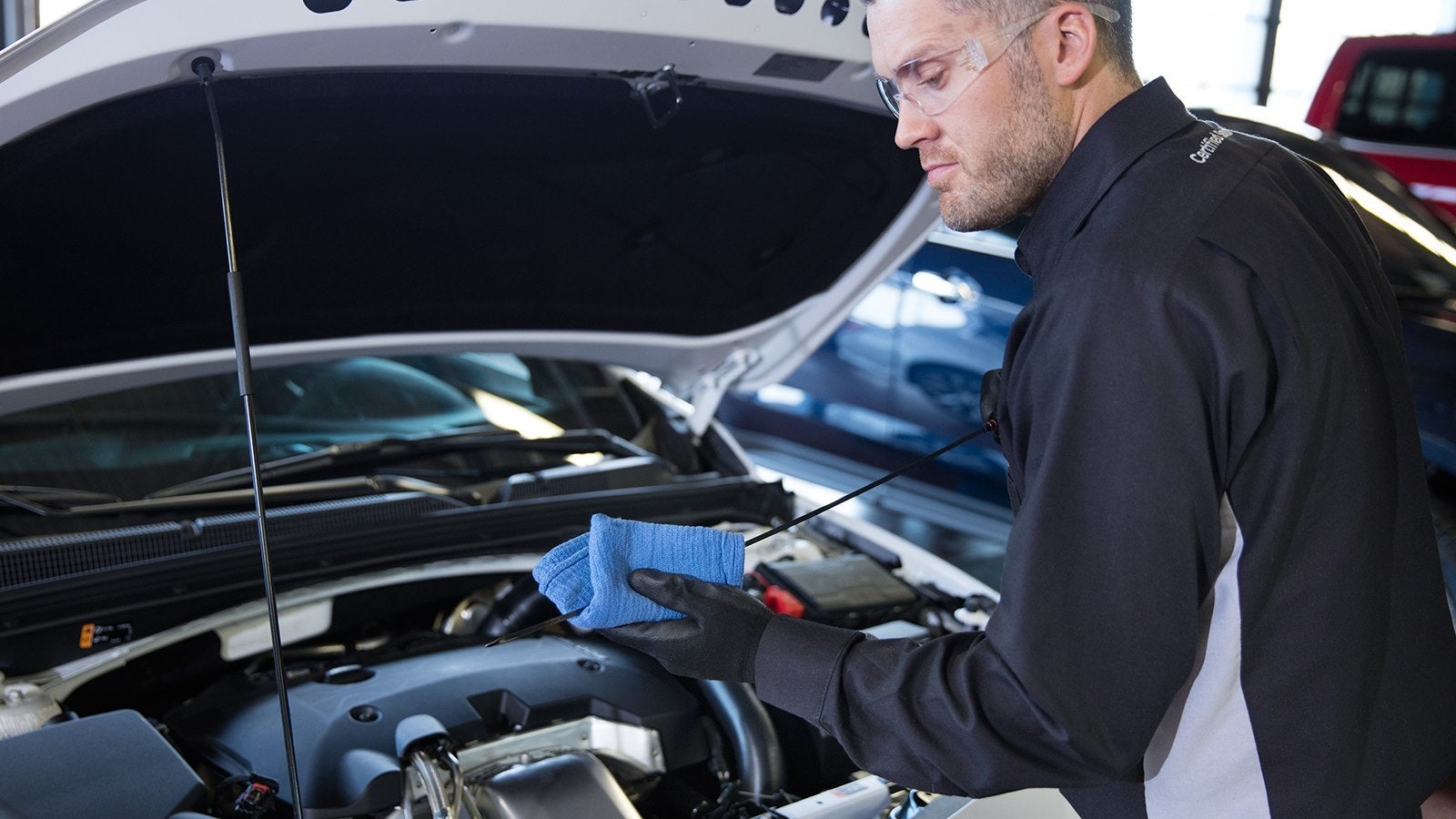


A Corvette dealer diagnostic estimate should explain the reported concern, testing scope, repair recommendation, and expected cost before work begins. Therefore, clear documentation gives you a defined starting point before you approve any repair. In addition, diagnosis and repair are two separate service steps. One identifies the fault, while the other corrects the confirmed problem. For this reason, that distinction matters when a Corvette needs specialized testing, model specific parts, or deeper inspection.
Diagnosis and Repair Are Different Decisions
Diagnosis identifies why a warning light, noise, leak, or drivability concern is happening. Repair work addresses the confirmed fault after testing supports the recommendation. Therefore, paying for diagnosis does not mean you approved the repair.
A Corvette dealer may use scan data, electrical testing, visual inspection, pressure testing, or road testing during diagnosis. In addition, the exact process should match the concern you reported. In addition, some faults require partial disassembly before the technician can confirm the source.
Does a diagnostic fee authorize the repair? No, because diagnostic labor covers the testing needed to identify the problem. Repair approval should come after you receive the findings, proposed work, and estimated cost.
Therefore, that separation gives you a clear decision point. You can review the diagnosis first, then decide whether to approve the recommended repair.
What Should a Corvette Repair Estimate Include?
A written estimate should describe the proposed job, expected parts, labor, and anticipated price. In addition, it should connect the repair recommendation to the diagnostic finding.
For this reason, a Corvette dealer visit should include a document that makes the repair path easy to follow. You should see what the technician found and which work the estimate recommends. Therefore, vague descriptions make it harder to know what you are approving.
A clear estimate should show these items:
- The document should identify the reported concern and the testing result that supports the repair recommendation.
- The parts section should list the expected components and enough detail to show what the technician plans to replace.
- The labor section should connect technician time to the named repair so the scope remains easy to follow.
In addition, the estimate should state the expected total before you authorize the repair. If taxes, shop supplies, or other charges apply, those should be clear before work starts.
How Diagnostic Fees Should Be Explained
A diagnostic fee pays for technician time used to trace the source of a reported problem. Instead, the fee covers the testing needed to trace the reported concern.
Modern Corvettes can require several testing steps before the technician confirms one repair path. A technician may compare scan data, inspect wiring, verify fluid pressure, or reproduce the concern. Therefore, the diagnostic process may involve more than one tool or test.
What are you paying for when a shop charges a diagnostic fee? You are paying for the testing needed to move from a symptom to a supported finding. Therefore, that work should produce a clearer repair recommendation.
A Corvette dealer should explain the diagnostic scope before testing begins. The estimate should also state the diagnostic charge or pricing method. In addition, you should know whether deeper testing would require another approval step.
That structure keeps diagnosis transparent. It also makes it easier to understand why the final repair recommendation may differ from the concern you first described.
What Happens When Diagnosis Finds More Work?
A repair scope can change after deeper testing or partial disassembly reveals another fault. When that happens, the next step should be a revised explanation before new work begins.
Can the repair scope expand after the first estimate? Yes, because some related faults only appear after technicians open or test the original concern further. However, the new finding should create another approval point.
In addition, the updated explanation should identify what changed and why. It should also show the revised parts, labor, and expected cost. Therefore, you can compare the new scope with the work you already approved.
At a Corvette dealer, this may involve related wiring, hardware, seals, sensors, or another component near the original repair. Model specific fitment can also change which parts the job requires.
Therefore, a clear process keeps the repair order tied to your approval. New work should not become part of the job without a clear explanation and authorization.
Parts, Labor, and Warranty Information
Parts and labor represent separate parts of the repair estimate. In addition, the parts section covers the components required for the job. The labor section covers technician time needed to complete the named repair.
What should you know about the parts on the estimate? You should know which component the technician plans to install and whether related hardware is also required. In addition, part fitment should match the exact Corvette model and model year.
Corvette repairs can involve model specific brake, suspension, electrical, cooling, or drivetrain components. Therefore, part identification matters when several versions exist across trims or model years.
Warranty information should also be clear before approval. Ask what coverage applies to the part and to the repair labor. If separate terms apply, the service team should explain those details before the work begins.
Therefore, this level of detail gives you a better record of what the repair includes. It also makes the final invoice easier to compare with the approved estimate.
Questions to Ask Before You Authorize the Repair
Before you approve work, review the estimate against the concern you brought in. The document should connect the reported symptom, diagnostic finding, repair scope, parts, labor, and expected price.
A useful final review includes:
- Ask what testing confirmed the fault and whether any diagnostic steps remain before the repair can begin.
- Confirm which parts the technician will install, what labor the estimate includes, and what warranty terms apply.
- Ask how the shop will contact you if the repair scope or price changes after work begins.
Finally, compare the final invoice with the work you approved. A Corvette dealer should be able to explain any difference between the estimate and completed charges.
Clear repair documentation makes the service decision easier to follow from diagnosis through completion. Before authorizing work, make sure every major part of the estimate is understandable. Ross Downing Corvettes in Hammond can review the diagnostic finding, repair scope, and pricing with you before repair work begins.