
Ross Downing Corvettes

Blog / Hammond Corvette Dealer

2025 Chevrolet Corvette Stingray: A Comprehensive Review

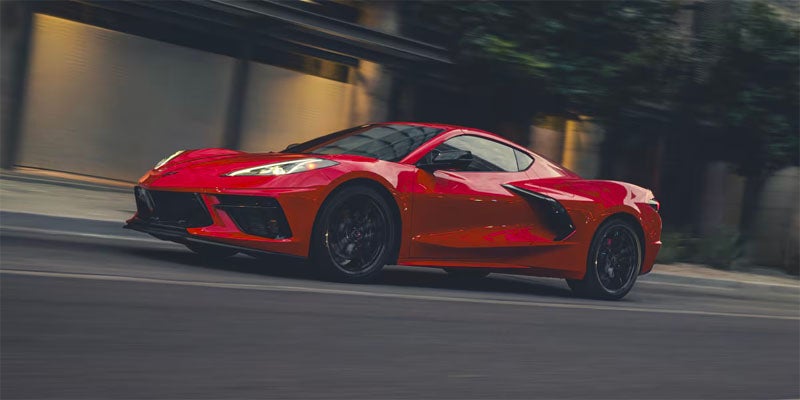
A red Chevrolet Corvette Stingray sports car driving on a city street.

The Chevrolet Corvette Stingray, an enduring symbol of American automotive excellence, continues to push the boundaries of performance, design, and technology with its 2025 model. At Ross Downing Corvette in Hammond, LA, we’re thrilled to offer an in-depth look at this remarkable vehicle that has captivated enthusiasts for generations.

Performance: The Heart of the Stingray

The 2025 Corvette Stingray exemplifies Chevrolet’s dedication to delivering exhilarating performance. At its core lies a potent 6.2-liter V8 engine, a powerhouse that embodies the Stingray’s racing heritage.

Key performance features include:
• 495 horsepower and 470 lb-ft of torque (with performance exhaust system)
• 0-60 mph acceleration in just 2.9 seconds
• Estimated top speed over 190 mph
• Advanced 8-speed dual-clutch transmission
• Available Magnetic Selective Ride Control™ 4.0 system

The Stingray’s exceptional handling is further enhanced by its mid-engine layout, providing optimal weight distribution and stability. Drivers can fine-tune their experience with multiple selectable modes, including Weather, Tour, Sport, Track, and a customizable MyMode.

Design: Form Meets Function

The Corvette Stingray’s design harmoniously blends aesthetics with aerodynamics, its mid-engine layout contributing to both performance and visual appeal.

Exterior highlights:
• New color options, including vibrant Orange Metallic Tintcoat
• Low, wide profile with sharp lines and sculpted surfaces
• Retractable hardtop for seamless coupe-to-convertible transformation

Step inside, and you’re greeted by a driver-focused cockpit rivaling more expensive supercars. The interior boasts:
• High-quality materials, including available Nappa leather and carbon fiber trim
• Low seating position and high center console for a cockpit-like feel
• Driver-centric layout emphasizing the car’s performance-oriented nature

Technology and Safety: Cutting-Edge Features

The 2025 Corvette Stingray is as advanced as it is powerful, offering a suite of technology and safety features that enhance both the driving experience and overall convenience.

Infotainment and connectivity:
• 8-inch touchscreen display with wireless Apple CarPlay and Android Auto
• Available 14-speaker Bose Performance Series sound system
• Performance Data Recorder for capturing high-definition video with real-time data overlays

Safety and driver assistance:
• Standard features: forward collision alert, automatic emergency braking, high-definition rearview camera
• Available options: blind spot monitoring, rear cross-traffic alert, head-up display

The Stingray Legacy

The Stingray name boasts a rich history within the Corvette lineup:
• First introduced in 1963 as “Sting Ray” (two words)
• Briefly dropped in 1976 during the third generation
• Revived in 2014 as “Stingray” (one word) with the seventh-generation Corvette
• Current model is part of the eighth-generation (C8) Corvette family

Today’s C8 Stingray marks a significant departure from its predecessors with its mid-engine layout, a configuration long associated with exotic supercars. This design allows for improved weight distribution and handling characteristics that set it apart from earlier models.

Corvette Stingrays are built to last, with many surpassing 200,000 miles when properly maintained. The robust V8 engine and high-quality components contribute to its potential for long-term reliability, making it not just a performance car, but a lasting investment for enthusiasts.

Pricing and Value

The 2025 Corvette Stingray offers compelling value, with a starting MSRP of $68,300. This price point places it well below many exotic competitors while offering comparable performance and features.

Key points to consider:
• Pricing can vary based on options and trim levels
• Final cost depends on specific configuration and chosen options
• Contact Ross Downing Corvette for up-to-date pricing and available incentives

The 2025 Chevrolet Corvette Stingray continues to redefine the possibilities of a sports car. With its potent V8 engine, advanced technology, and striking design, it offers a driving experience that rivals much more expensive vehicles. Whether you’re a long-time Corvette enthusiast or new to high-performance cars, the Stingray delivers an unparalleled blend of power, sophistication, and value.

At Ross Downing Corvette in Hammond, LA, we’re proud to offer this American icon to our customers. We invite you to experience the 2025 Corvette Stingray for yourself and discover why it continues to set the standard for sports cars in its class.

Pricing Disclaimer: The manufacturer’s suggested retail price (MSRP) provided is for base model vehicles and does not include options, destination charges, taxes, title, license, or other fees. Actual dealer pricing may vary. Contact Ross Downing Corvette for the most current information and details on vehicle availability, exact pricing, and any applicable promotions or incentives.
Posted in:

Related Posts

Where Is the Corvette Manufactured in Bowling Green

Where Is the Corvette Manufactured in Bowling Green

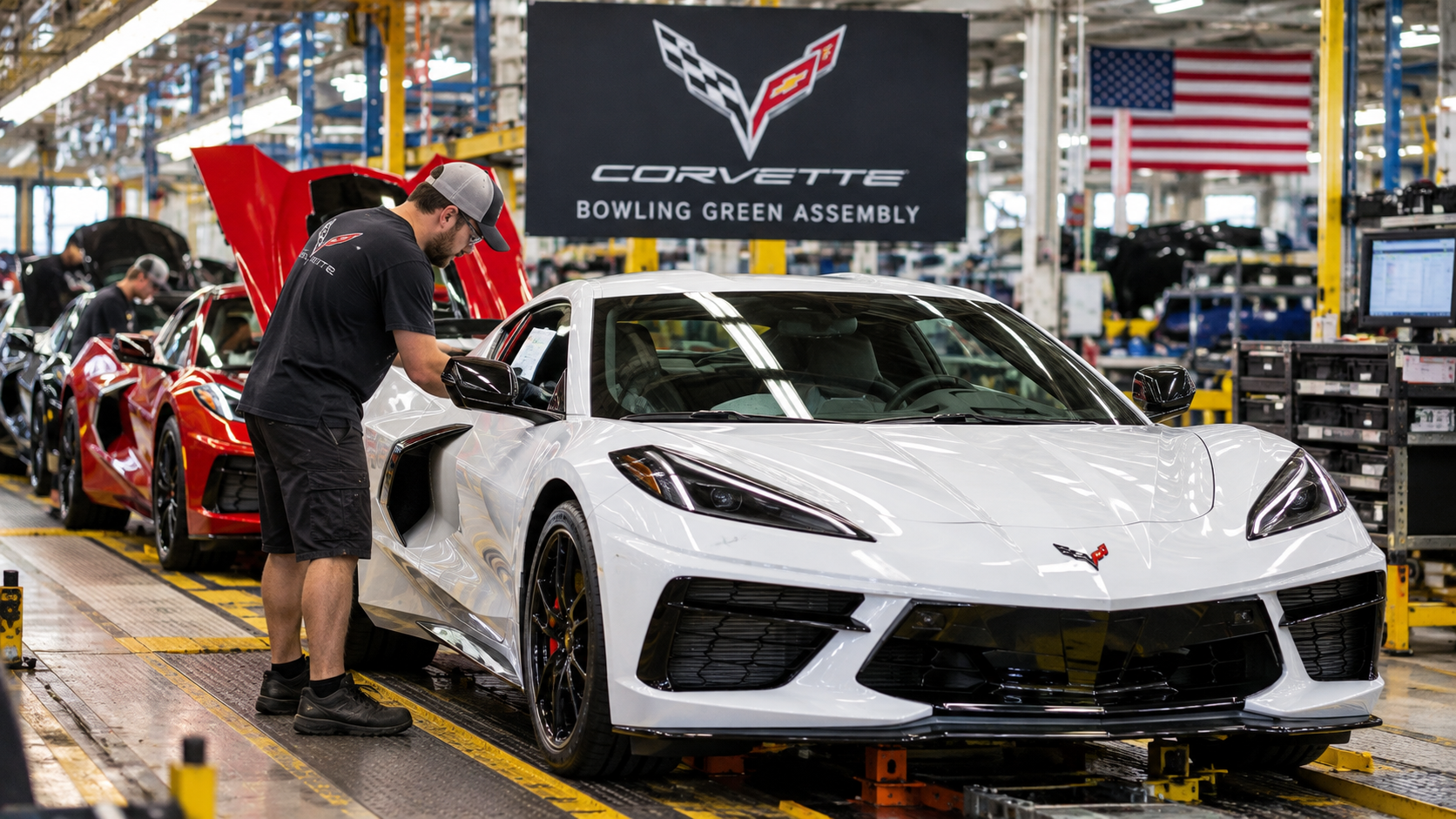
Where is the Corvette manufactured today? Chevrolet builds the Corvette at Bowling Green Assembly in Kentucky. The plant has served as Corvette production home since 1981. Therefore, Bowling Green links current Corvette assembly with more than four decades of history. The location also connects production, specialized engine work, the National Corvette Museum, and factory delivery options for new owners. Where the Corvette Is Manufactured Today Where is the Corvette manufactured? The answer is Bowling Green Assembly in Bowling Green, Kentucky. Chevrolet uses this facility for current Corvette production. Therefore, the plant is the central location behind each new Corvette that reaches a dealership or Museum Delivery. In addition, the plant handles much more than final exterior assembly. Therefore, teams install major components, complete production steps, inspect the finished car, and prepare it for shipment. In addition, Bowling Green supports several Corvette variants within one production site. For this reason, Bowling Green is the point where an ordered configuration becomes a completed car. Therefore, the factory location connects directly to the configuration selected earlier in the order process. That includes trim, exterior color, interior choices, and factory installed equipment. Several details make the location worth knowing: Bowling Green Assembly has produced Corvettes since 1981, giving the plant a long connection to the nameplate. Current Corvette production remains centered at the Kentucky facility, including several high output variants. The National Corvette Museum sits nearby, creating a rare link between production history and owner delivery. As a result, that connection gives the city a unique role in Corvette culture. It is both a manufacturing center and a destination for people following the car's history. Why Bowling Green Became the Home of Corvette Why is Bowling Green so closely tied to Corvette history? Production moved there in 1981, and the plant has remained the Corvette production site ever since. Therefore, generations of cars have shared the same Kentucky manufacturing home. Furthermore, that long timeline covers major shifts in Corvette design. Front engine generations left the plant for decades before the C8 moved the engine behind the cabin. Yet Bowling Green remained the production center through that change. In addition, the plant's role expanded as Corvette engineering became more specialized. In addition, GM invested in manufacturing equipment and dedicated work areas to support newer Corvette variants. This continuity gives Bowling Green more than historical value. It lets Chevrolet keep Corvette assembly centered around a workforce familiar with the car's construction. Therefore, new technology can enter production without separating the nameplate from its established manufacturing base. Therefore, that history gives owners context for the build plate and production story behind each car. A modern Corvette may use radically different hardware from a C4 or C5. Still, each generation shares the same city as its production home. What Happens Inside Bowling Green Assembly What happens inside the plant before a Corvette leaves Kentucky? Vehicle assembly and specialized engine work take place through separate production areas. Therefore, the finished car represents several linked manufacturing steps instead of one simple assembly action. In addition, the Bowling Green site includes a specialized engine build area. Select high output Corvette engines receive hand assembly there. That work adds another technical layer to the factory's role. The difference between vehicle assembly and engine assembly matters. Vehicle production brings together the body, chassis, interior, electronics, drivetrain, and final inspection process. By contrast, the specialized engine build area focuses on selected engines before those engines become part of completed cars. Key manufacturing roles include: Vehicle assembly brings the chosen Corvette configuration together through a defined production sequence. The specialized engine build area handles selected high output engines with focused hand assembly. Final inspections verify that the completed Corvette is ready for shipment or its next delivery step. Therefore, Bowling Green is more than the place where body panels meet a chassis. It also supports specialized mechanical work tied to certain Corvette variants. However, a customer tracking a Corvette build does not see every internal production step. Knowing these roles makes the order process easier to follow. The car moves from scheduled production into assembly, inspection, and then transportation or Museum Delivery preparation. How the National Corvette Museum Connects to the Factory The National Corvette Museum and Bowling Green Assembly are closely connected by location, but they are separate organizations. The Museum sits near the GM plant and focuses on Corvette history, preservation, exhibits, and owner programs. How does that relationship matter to an owner? The Museum turns Bowling Green into more than a production stop. It gives visitors a place to explore Corvette history near the facility where current cars are assembled. In addition, Museum exhibits cover different eras of the nameplate, major engineering milestones, motorsports history, and notable vehicles. Therefore, a visit can place a new Corvette beside the story that came before it. The Museum also supports the R8C Museum Delivery program. Eligible customers can select this option while ordering through a Chevrolet dealer. Once the car is completed, delivery takes place at the Museum instead of through the selling dealership. That creates a direct link between a new Corvette order and Bowling Green. However, the Museum does not build the car. GM handles production at the assembly plant, while the Museum handles the delivery program and heritage side of the visit. Owners planning a trip can review National Corvette Museum delivery information through ChevyCorvette.com. Current program pricing and scheduling should be confirmed during the order process. Connect a Corvette Order to Bowling Green A factory order begins at the dealership, not at the plant. The customer selects the Corvette configuration, and the dealer submits the order through Chevrolet. Therefore, the build journey starts before Bowling Green begins physical production. Once Chevrolet accepts and schedules the order, the car moves through production planning. The selected trim, color, interior, and factory equipment guide the final configuration. In addition, any delivery option selected during ordering becomes part of the plan. Customers can use the ChevyCorvette.com Corvette ordering page to begin that process. The dealership can also explain allocation, order status, and delivery choices. For customers considering Museum Delivery, the order process should confirm three items: The R8C option must be selected through the Chevrolet dealer during the factory order process. Current Museum Delivery pricing and scheduling should be confirmed before the order is finalized. Travel plans should wait until the Museum and dealer provide the required delivery timing. Bowling Green gives the Corvette order process a clear physical destination. The car moves from configuration and scheduling into assembly at the Kentucky plant. Then it leaves for dealership delivery or another approved delivery path. For many owners, knowing where the Corvette is built adds context to the wait. The order is more than a collection of option codes. It becomes a specific car moving through a dedicated Corvette plant with decades of history behind it. That connection makes Bowling Green part of the story long before the first drive home.

Callaway C7 Ownership Beyond the Horsepower Number

Callaway C7 Ownership Beyond the Horsepower Number

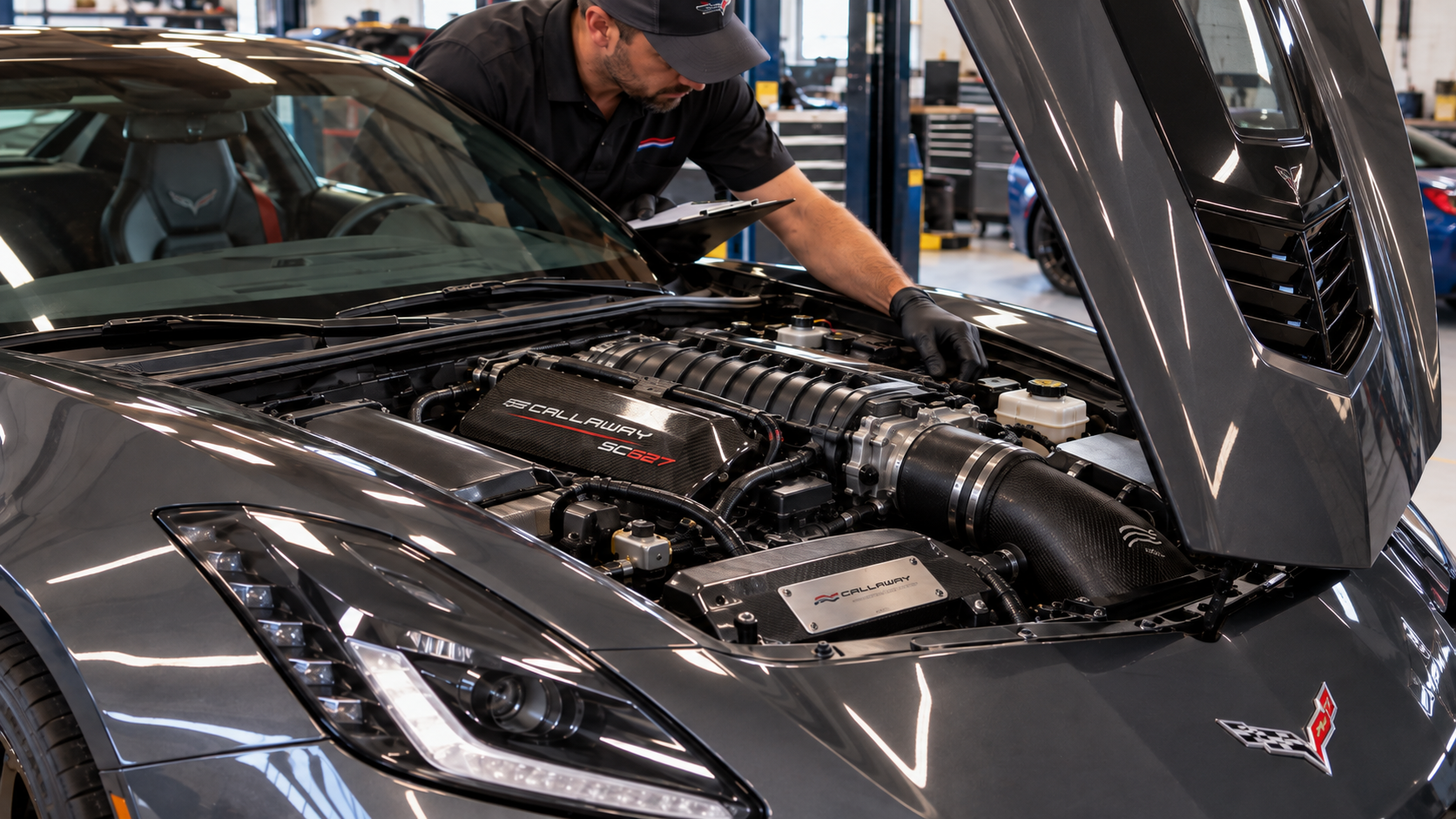
Callaway C7 ownership involves more than the extra power produced by the conversion. However, the car keeps its Corvette foundation while key service and documentation needs become more specialized. Therefore, owners should know how to verify the conversion, protect the calibration, track cooling history, and preserve records. Those details matter during maintenance, diagnosis, and a future sale. Verify What Makes the C7 a Genuine Callaway What proves that a C7 is a genuine Callaway? A true conversion should have Callaway identification, documented equipment, and records that match the car. As a result, those items separate a branded conversion from an unrelated modified Corvette. Callaway offered SC627 packages for Stingray and Grand Sport models. It also offered the SC757 package for the Z06. Those packages used Callaway hardware and calibration, along with identifying pieces tied to the conversion. Start with the physical identifiers and paperwork. A build plaque, Callaway badging, invoices, and authenticity documents all add context. In addition, service records can show where the conversion was maintained and whether later changes were added. Callaway C7 ownership starts with knowing exactly what is on the car. Owners should verify several items before treating the conversion as fully documented: Confirm that Callaway identification on the car matches the paperwork and conversion history. Review invoices for the original package, later service work, and any non Callaway modifications. Keep copies of calibration, warranty, and service records with the vehicle file. This review matters because later modifications can make diagnosis harder. A car with added tuning, pulley changes, or cooling changes may no longer match its original conversion setup. Therefore, the record trail should show what changed after the Callaway work. How Chevrolet Service Works With a Callaway C7 Can a Chevrolet dealer maintain a Callaway C7? Yes. Routine Chevrolet maintenance can still follow the normal service path for the base Corvette. Oil service, brakes, tires, filters, and other Chevrolet items still need regular attention. However, conversion related diagnosis may require coordination with Callaway. Therefore, that is where Callaway C7 ownership differs from a stock C7. Callaway publishes a service procedure that lets Chevrolet dealers work with its technical team. A Callaway authorized dealer can handle that path directly. If the local dealer is not authorized, the service manager can contact Callaway before conversion related diagnosis. For this reason, owners should make the conversion clear before work begins. Additionally, that matters when the concern involves engine controls, boost, cooling, or drivability. If the car needs electronic work, ask the advisor whether an ECM update is planned. Callaway warns that a standard reflash can remove its calibration. Therefore, the dealer should coordinate with Callaway before changing ECM software. ChevyCorvette.com also has a dedicated Callaway Corvette dealer resource. It gives owners a direct dealership path for Callaway related questions. Protect the Calibration and Watch the Cooling Hardware A Callaway C7 uses more than added hardware. The conversion also relies on calibration that matches the supercharger and related components. Therefore, that software should remain part of the service conversation whenever electronic work is performed. What deserves added attention during Callaway C7 ownership? Start with calibration records, cooling hardware, and signs that the car no longer matches its documented setup. Supercharging increases airflow and heat during hard use. In addition, cooling hardware helps manage that heat across the engine, oil, and intake path. Callaway published track testing for heavy duty cooling equipment on SC627 and SC757 cars. Owners should look for changes that may alter the original setup: Check whether cooling parts, pulleys, intake parts, or tuning were changed after the Callaway conversion. Record any ECM software work and confirm that the Callaway calibration was preserved or restored. Watch for new warning lights, drivability changes, or heat related concerns after service. A documented cooling history matters more on a car that has seen track use or sustained high load driving. In addition, repeated hard use makes service records more useful during later diagnosis. The goal is not to treat every Callaway C7 as fragile. Instead, the goal is to keep the conversion traceable. As a result, a clear record makes it easier to separate normal Corvette service from conversion specific work. Review Warranty History Before Assuming Coverage What warranty applied when the Callaway conversion was new? Callaway offered limited coverage alongside the GM warranty during the original term. However, that structure did not make every future repair automatically covered. Callaway stated that its limited warranty addressed Callaway installed parts. It also covered certain GM powertrain parts when damage came from a covered Callaway component. In addition, GM coverage remained relevant for non Callaway items under its own terms. For a used C7 today, dates matter. The original in service date, mileage, transfer history, and specific warranty documents should all be reviewed. Therefore, Callaway C7 ownership should not rely on an assumption that older coverage remains active. For this reason, complete records matter during a purchase. The paperwork can show whether prior repairs involved GM, Callaway, or another shop. It can also show whether later modifications changed the car after the original conversion. Keep the ownership file organized around: Original Callaway conversion documents and warranty records. Chevrolet maintenance records and repair invoices. Callaway technical service records, calibration notes, and later modification receipts. As a result, that file gives a future technician more context. In addition, it helps a future purchaser see what was changed and who completed the work. Document the Car Before Resale Does a Callaway conversion change resale? However, no single resale formula applies to every C7. A genuine Callaway has a clearer identity than an undocumented modified Corvette. The conversion name, hardware, build records, and service history give a purchaser more information to evaluate. However, the pool of interested shoppers may still be narrower than for a stock Corvette. Mileage, condition, trim, accident history, maintenance, and later modifications all shape the final value. Therefore, horsepower alone should not be treated as proof of a premium. Before listing the car, organize the documents that support its story. Keep the conversion paperwork, service records, calibration notes, and photos of identifying hardware together. Also disclose later modifications clearly. Owners researching the market can review ChevyCorvette.com's used Corvette inventory. As a result, owners can see how equipment, condition, and documentation appear in current listings. Callaway C7 ownership asks more from the record keeping side than a stock car. Therefore, the car needs a clear history of what changed and who maintained it. Preserve the calibration, document service work, monitor the cooling hardware, and keep the conversion paperwork complete. Those habits make future service easier and give the next purchaser a clearer view of the car.

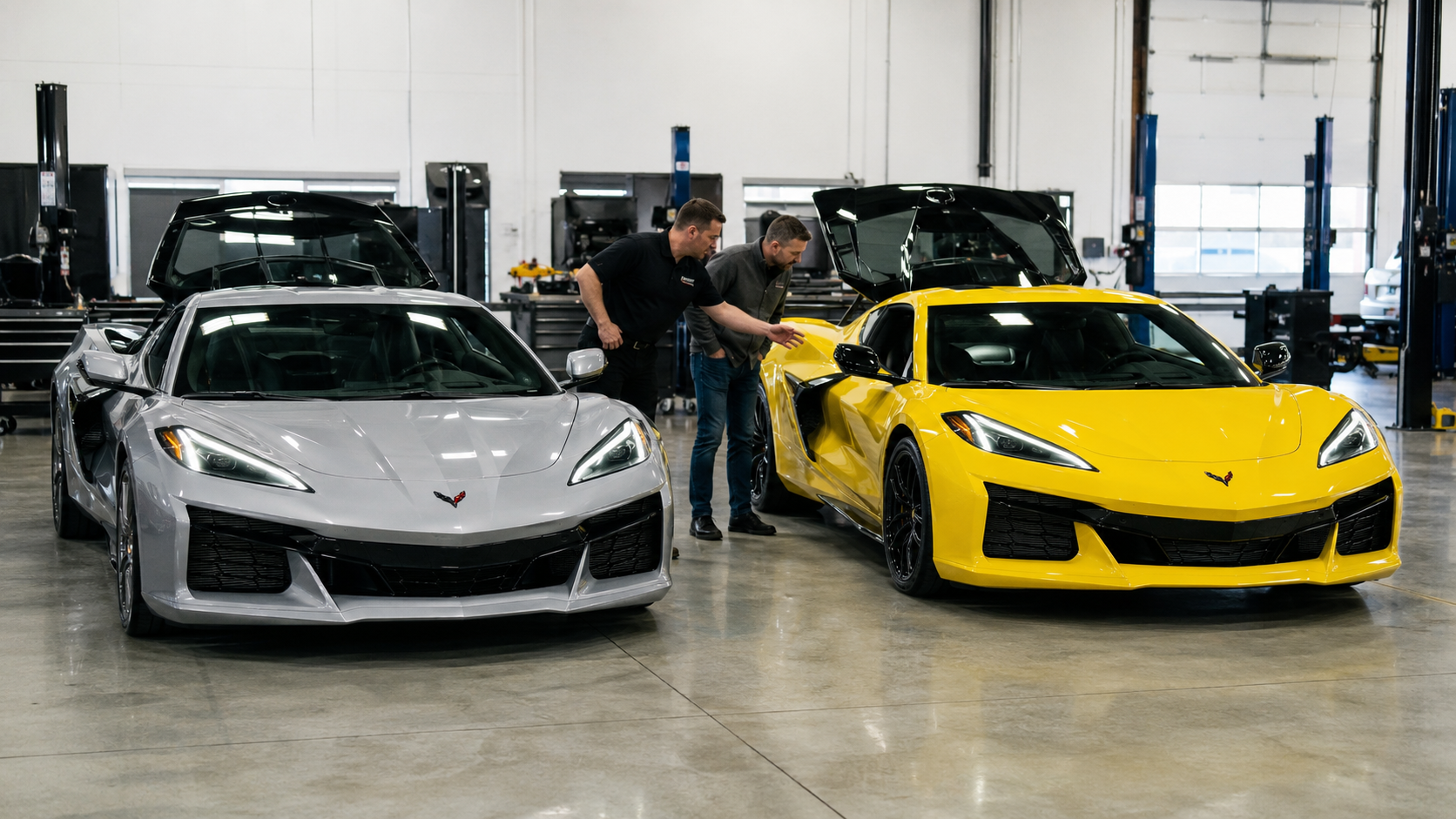
Is the 2024 E-Ray Slower Than the 2025 E-Ray Today

Is the 2024 E-Ray Slower Than the 2025 E-Ray Today

Is the 2024 E-Ray slower than the 2025 E-Ray? Current specifications show both years produce the same 655 combined horsepower. Therefore, the newer model year does not gain a published output advantage. Both use the same core hybrid layout, the same LT2 V8, and the same front electric drive unit. In addition, Chevrolet continues to publish a 2.5 second available sprint to 60 mph for the E-Ray. The real model year differences appear in colors, trim choices, pricing, and equipment details. Is the 2024 E-Ray Slower Than the 2025 E-Ray? The direct answer is no based on published factory specifications. Both model years produce 655 combined horsepower and share the same available 2.5 second sprint to 60 mph. The rear mounted 6.2L LT2 V8 produces 495 horsepower in both years. The front electric drive unit adds 160 horsepower at the front axle. Therefore, the core output figures remain unchanged from 2024 to 2025. Could calibration alone make the 2025 quicker despite equal horsepower? Current published Chevrolet figures do not show a quicker factory time. In addition, no published power increase appears for the 2025 front motor or LT2 V8. That matters when comparing two cars with similar equipment. A 2024 E-Ray does not start with a factory speed disadvantage simply because it is one model year older. Did Chevrolet Add More Power for 2025? Chevrolet did not publish a horsepower increase for the 2025 E-Ray. The propulsion layout still combines rear V8 power with front electric power. The LT2 sends 495 horsepower through the eight speed dual clutch transmission to the rear wheels. In addition, the front electric drive unit supplies 160 horsepower at the front axle. Together, those two sources create the 655 horsepower total. The front motor also produces 125 pound feet of torque. However, that torque acts at the front axle instead of through the rear transmission. Therefore, the electric torque figure should not be treated as extra engine torque from the LT2. The hybrid layout also keeps all wheel drive. The V8 drives the rear axle while the electric unit powers the front axle. For this reason, launch traction comes from two propulsion sources working at opposite ends of the car. The core hardware stayed the same: The LT2 V8 remains rated at 495 horsepower in both model years. The front electric drive unit remains rated at 160 horsepower in both years. Combined output remains 655 horsepower with all wheel drive in both model years. How the E-Ray Makes 655 Horsepower The E-Ray reaches 655 horsepower by combining two separate propulsion sources. One sits behind the cabin, while the other powers the front axle. The 6.2L LT2 V8 supplies the larger share of output. In addition, the front electric motor adds power immediately through the front wheels. This arrangement also gives the E-Ray electrified front axle traction without a front driveshaft from the V8. Where does the extra E-Ray power come from? It comes from the front electric drive unit working with the 495 horsepower LT2. Therefore, the total is not a higher tune of the gasoline engine alone. The electric unit also supports low speed electric operation through Stealth Mode. However, the main comparison here is output. The 2024 and 2025 cars use the same published 160 horsepower front motor rating. Because the layout stays the same, the model year decision shifts away from raw output. Equipment, condition, color, trim, mileage, and price become more useful comparison points. What Changed for the 2025 E-Ray? The 2025 updates center more on appearance and personalization than propulsion. Chevrolet did not publish a new horsepower figure for the model year. New exterior choices included Competition Yellow Tintcoat and Hysteria Purple Metallic. In addition, new cabin choices included Habanero interior trim and blue stitching. Yellow brake calipers also joined the available appearance choices. So what are you getting with a 2025 that a 2024 may not have? You are mainly gaining access to newer color and trim combinations. Therefore, the value of those updates depends on how much a specific specification matters to you. This distinction is useful when comparing inventory. A 2024 with the color, trim, and options you want may offer nearly the same propulsion hardware as a 2025. By contrast, a specific 2025 color or cabin combination may justify the newer year for some shoppers. Does the Price Increase Change the Value Equation? The 2025 E-Ray carried a higher listed starting price than the 2024 version. However, that increase did not come with a published horsepower gain. Is the 2025 worth more if the drivetrain is the same? The answer comes from the complete car, not the model year alone. Mileage, condition, equipment, color, warranty position, and asking price all matter. For this reason, compare similar trims and options before judging the price gap. A well kept 2024 with desirable equipment may offer strong value beside a similarly configured 2025. The newer year may still command more money because it is newer. In addition, certain colors or options may be harder to find. Those differences can matter during resale, but they do not change the core 655 horsepower output. Which Model Year Makes More Sense Today? A 2024 or 2025 E-Ray can make sense when the car matches your priorities. Both years use the same published hybrid output and the same core propulsion layout. Before choosing between them, review these points: Compare mileage, condition, trim, and option content across the exact cars you are considering. Check whether a 2025 color or interior combination matters enough to justify a higher price. Compare warranty position, service history, and asking price before paying more for model year alone. If your priority is factory output, the two years remain closely matched. If your priority is appearance, equipment, or resale timing, the 2025 may carry more appeal. The 2024 E-Ray still delivers the same published 655 horsepower as the 2025. Therefore, the stronger choice comes from the specific car in front of you. Ross Downing Corvettes in Hammond can compare available E-Ray examples by equipment, condition, and model year.