

Ordering a Corvette is not a single step. It is a structured process that moves through defined stages, each tracked by a specific status code. Most buyers are not just asking what these codes mean. They are trying to understand whether their order is progressing normally, how long each stage will take, and what happens next. The Corvette ordering system is designed to track production from initial request through delivery, but without context, those codes can feel unclear. Understanding how the system works allows you to interpret progress and set realistic expectations.
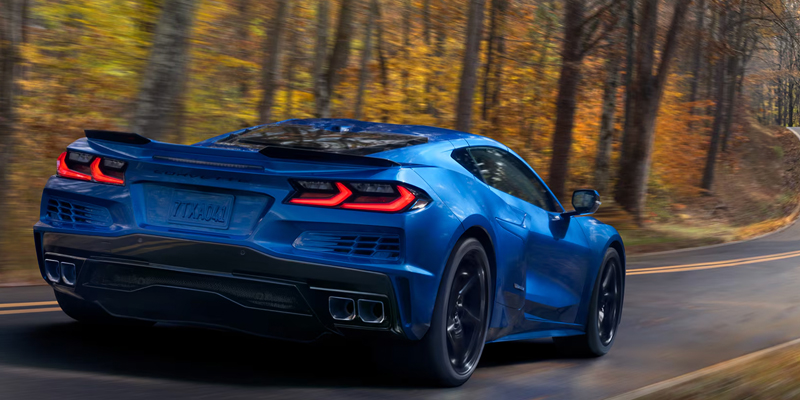
This approach reflects Chevrolet’s focus on clarity, real-world understanding, and helping drivers move forward with confidence
What Corvette Order Status Codes Actually Represent
When buyers ask what Corvette order status codes actually mean, they are asking how the production system tracks progress. Status codes are milestones that represent specific points in the manufacturing and ordering process.
Each Corvette order moves through a sequence of stages, beginning with initial entry into the order system and ending with delivery. These codes are not arbitrary labels. They indicate whether the order has been accepted, scheduled, built, or shipped.
For example, early-stage codes represent orders that are placed but not yet scheduled for production. Mid-stage codes indicate that the order has been accepted and assigned to a production cycle. Later-stage codes reflect that the vehicle is being built or prepared for shipment.
The technical reason this matters is that each status change reflects a real action within the manufacturing system. The Corvette is not simply waiting. It is moving through a queue that aligns with production capacity and scheduling.
For buyers, this means status codes are not just updates. They are a direct view into where your Corvette is within the production process. Understanding them removes uncertainty and allows you to interpret progress accurately.
How Corvette Orders Move Through the Production System
When buyers ask how a Corvette moves from order to production, they are asking how the manufacturing system sequences builds. The Corvette production process is based on scheduling, resource availability, and allocation.
Once an order is accepted, it does not immediately move into production. It enters a scheduling system where it is matched to available build slots. These slots depend on factors such as parts availability, production capacity, and configuration requirements.
The process generally follows a structured flow:
- Order is entered into the system and assigned an initial status
- Allocation allows the order to be accepted for production
- Scheduling assigns the order to a specific build window
- Production begins once all required components are available
The reason this system exists is to ensure efficiency and consistency in manufacturing. Each Corvette must be built within a sequence that aligns with available resources.
For buyers, this means the timeline is not linear. Movement through the system depends on when the order can be scheduled, not simply when it was placed.
Why Corvette Build Timelines Vary Between Orders
When buyers ask why their Corvette order is taking longer than expected, they are asking how production variables affect timing. Build timelines vary because the system must account for multiple constraints.
These constraints include:
- Availability of specific components required for your configuration
- Production scheduling based on demand and capacity
- Allocation timing at the dealership level
The technical reason for variability is that manufacturing operates as a coordinated system. If one component is delayed, the entire build sequence may shift.
This is why two Corvette orders placed at the same time can move through the system at different speeds. Differences in configuration or allocation timing can change when an order is scheduled.
For buyers, this means delays are not always disruptions. In many cases, they are part of how the system adjusts to maintain production flow. Understanding this helps distinguish between normal variability and actual issues.
What Happens Between Production and Delivery
When buyers ask what happens after a Corvette is built, they are asking how the vehicle moves from the factory to delivery. Once production is complete, the Corvette enters a logistics phase.
This phase includes inspection, transportation scheduling, and shipment to the dealership. The vehicle must be prepared for delivery and transported through a distribution network.
During this stage:
- The Corvette undergoes final checks and preparation
- Shipping is scheduled based on location and transport availability
- The vehicle is delivered to the dealership for final handoff
The reason this stage takes time is because transportation must be coordinated with other shipments and routes. It is not an immediate transition from factory to dealership.
For buyers, this means the process continues even after production is complete. Understanding this phase helps set expectations for the final steps before delivery.
How to Set Realistic Timing Expectations as a Corvette Buyer
When buyers ask how long it really takes to receive a Corvette, they are asking how to interpret the full timeline. The answer depends on understanding how each stage contributes to the overall process.
A realistic expectation considers:
- Time required to secure allocation
- Time for scheduling and production
- Time for post-production logistics and delivery
The key is recognizing that each stage operates within a system. Timing is influenced by factors that extend beyond a single order.
For buyers, the most effective approach is to evaluate progress through status codes and communication from the dealership. When both are understood, the process becomes predictable rather than uncertain.
The Corvette ordering system is designed to move each vehicle from concept to delivery in a structured way. When you understand how that system works, you gain clarity, confidence, and a better overall buying experience.
Connect with us
