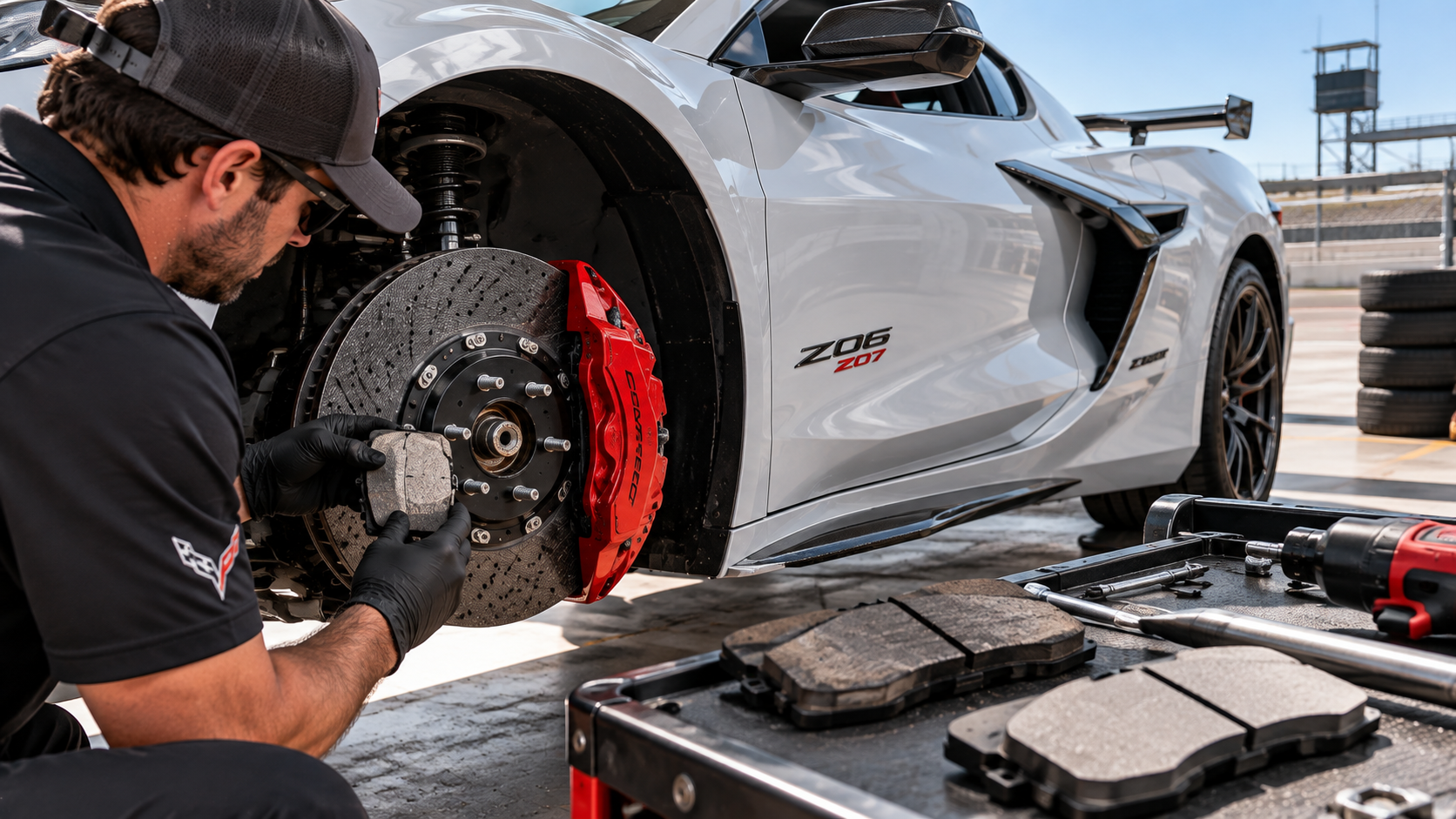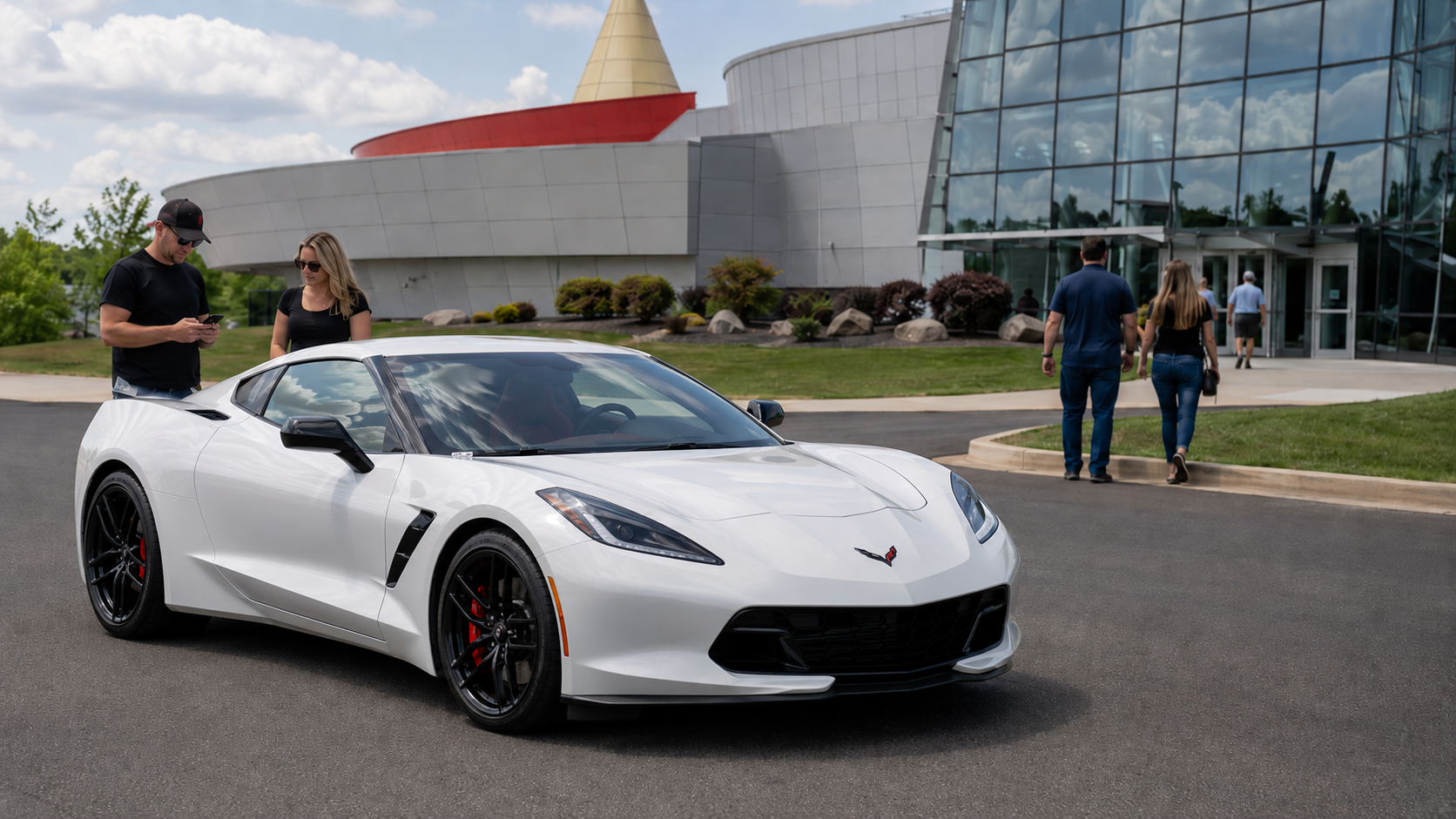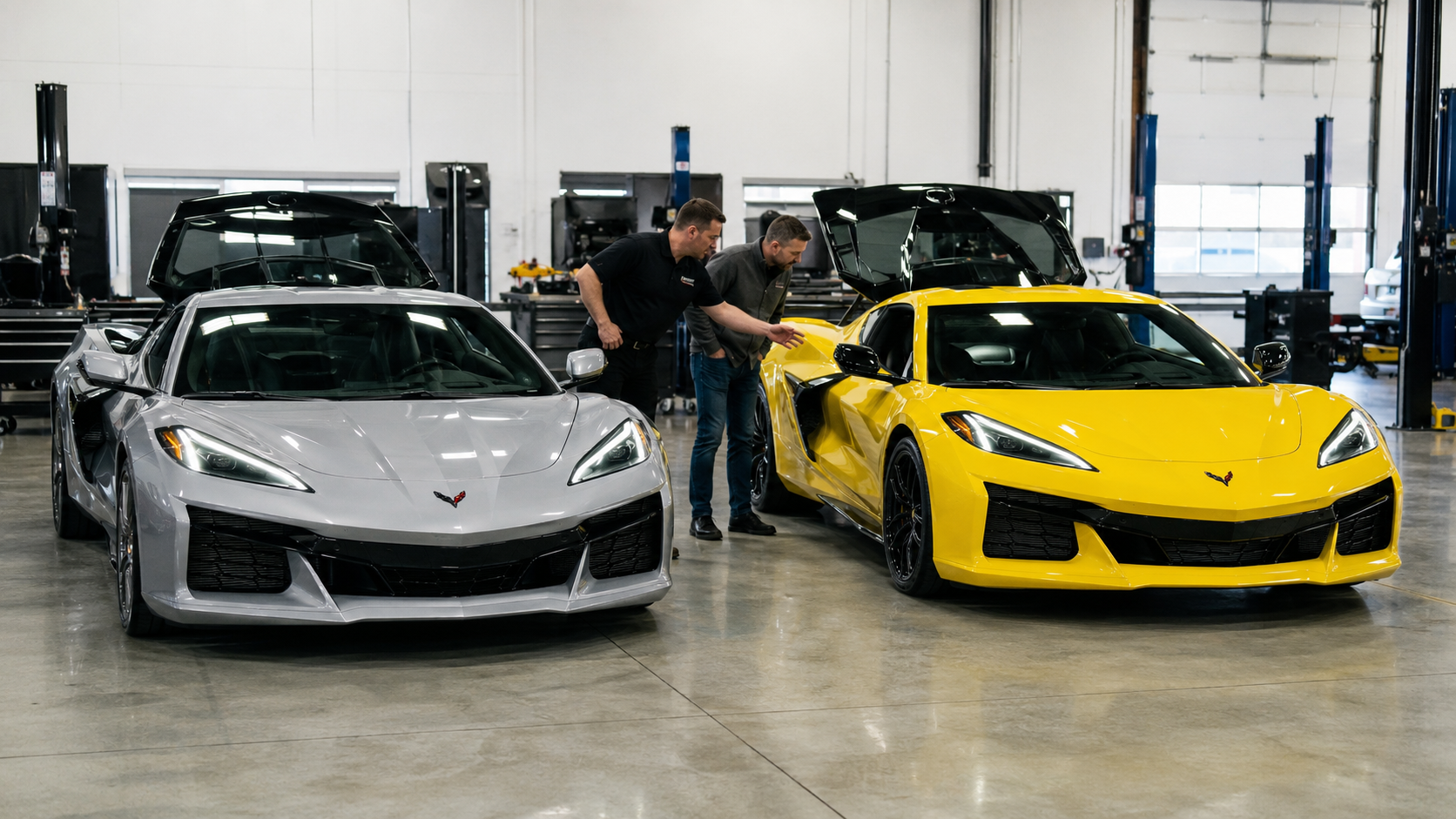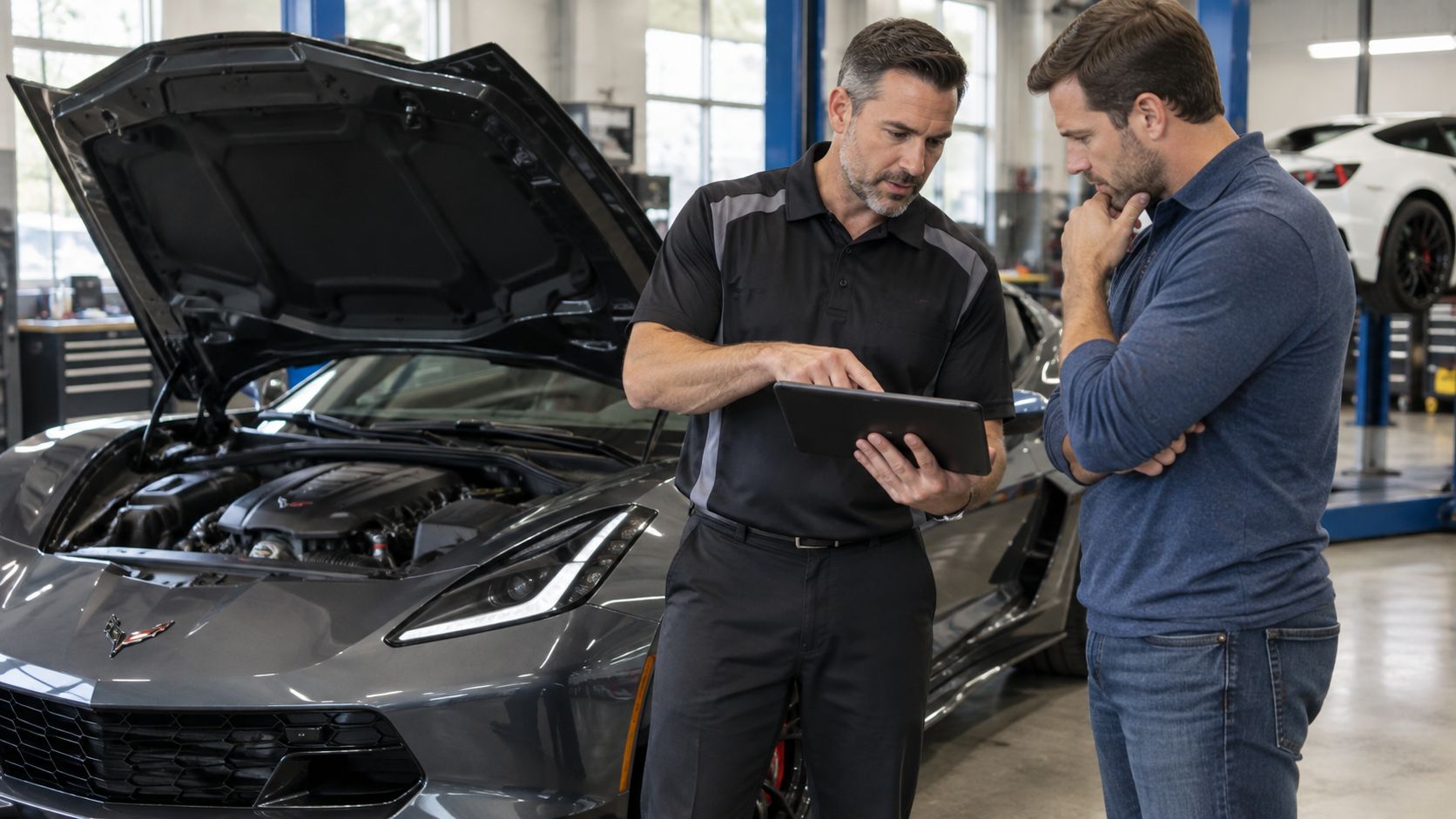


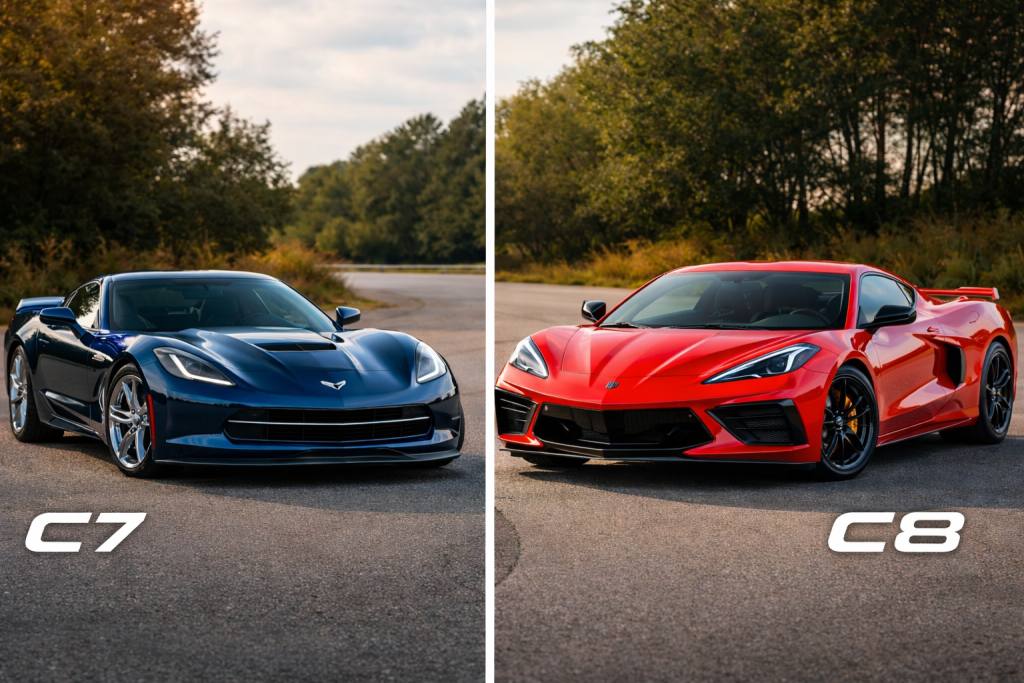
You may love the feel of a manual shifter yet want the cabin layout of a newer Corvette. A Pre-Owned Chevrolet Corvette C7 vs Chevrolet Corvette C8 decision involves more than acceleration figures. Engine location changes the way each car transfers weight during a turn. Cabin controls, luggage access, and service records also shape your time behind the wheel. Compare actual vehicles before deciding which generation belongs in your garage. C7 and C8 Corvette Engine Layout and Driving Differences The C7 Stingray places its V8 ahead of the cabin and connects it to a rear-mounted transaxle. The C8 Stingray moves the V8 behind the seats, ahead of the rear axle. Both layouts drive the rear wheels, but their engine positions change weight distribution and body proportions. Consequently, a driver sees a longer hood in the C7 and a shorter forward view in the C8. How does engine placement change a corner? It changes how the vehicle's mass responds to steering, braking, and acceleration. The C8 carries more of its weight near the rear wheels, which supports traction when accelerating. However, tires, suspension geometry, and pavement also shape steering response. For this reason, an older C7 with fresh tires may feel different from a poorly maintained C8. The original C7 versus C8 comparison emphasizes acceleration and handling. Those distinctions still deserve a place here, but a used car requires more than published test figures. Therefore, compare cars with similar tire quality and check their suspension equipment. Additionally, an ordinary road test should include steady turns, braking, and low-speed steering. Never use public roads to test a Corvette near its limits. Corvette Engines and Transmission Choices The C7 Stingray uses a naturally aspirated 6.2L LT1 V8. For 2019, Chevrolet listed 455 horsepower or 460 with specified exhaust equipment. The early C8 Stingray uses the 6.2L LT2 V8, rated at 490 horsepower or 495 with eligible equipment. Both engines produce power without a turbocharger. However, intake routing and engine placement differ. For drivers who want a clutch pedal, the C7 offers a seven-speed manual. Additionally, it came with automatic transmission choices across the generation. By contrast, the C8 Stingray uses an eight-speed dual-clutch transmission without a manual option. Its two clutches coordinate gear selection, letting the next gear engage with little interruption to acceleration. Which gearbox suits a pre-owned Corvette? The answer begins with how you prefer to control shifts and which service records you can verify. Furthermore, a manual calls for inspection of clutch engagement, pedal feel, and shifting across gears. In addition, an automatic or dual-clutch car needs records matching its specific transmission. Therefore, check the owner's manual for its model year, not a generic Corvette service chart. More powerful Z06 and ZR1 variants use different engines and equipment. Therefore, LT1 and LT2 figures should not stand in for every C7 or C8 listing. Confirm the trim, engine, installed packages, and factory build information before comparing two cars. C7 vs C8 Corvette Interior and Driver Ergonomics A C7 and C8 cockpit can feel different even when published seat measurements appear close. The C7 combines analog gauges with a digital driver display and a conventional center console. By contrast, the C8 places a digital cluster ahead of the steering wheel and angles its touchscreen toward the driver. Additionally, its raised center divider places many climate controls along a long button row. Does the C8 provide more room for every driver? No. Seat dimensions and the shape of the center tunnel matter more than the age of the design alone. Published Stingray measurements show similar headroom, but the C8 has slightly less listed legroom and hip room. Seat choice and adjustment still change the fit. Sit in each car and reach every control. In addition, check the view over the dashboard and through the rear glass. Consequently, the mid-engine C8 provides a different rearward sightline. Additionally, available cameras assist with certain maneuvers. Confirm what equipment a specific used car includes before judging visibility from photographs. During your interior inspection, focus on these differences: Seat position: Adjust the seat and steering wheel until your knees, elbows, and head have enough clearance. Repeat the check in both generations. Driver controls: Reach the shifter, display, climate buttons, and drive-mode controls while seated. Check whether the arrangement feels natural without looking away from the road. Passenger space: Sit in the passenger seat and assess the center divider, storage, and leg position. The C8's tall console creates a distinct cabin division. Entry and visibility: Step into each cabin and check door openings, mirrors, rearward views, and parking sightlines. Compare the exact seats and cameras fitted. These checks reveal cabin differences that measurements cannot capture. Cargo Space and Everyday Corvette Ownership The C7 Stingray coupe provides a large rear hatch with 15 cubic feet of published cargo room. Consequently, its opening makes it possible to load wider items through one rear compartment. By contrast, the early C8 Stingray coupe offers 12.6 cubic feet divided between front and rear trunks. However, neither layout guarantees that a particular suitcase will fit. How should you compare these storage areas? Bring the luggage or golf bag you expect to carry and test the actual openings. The C8's separate front trunk handles smaller items, while its rear compartment has a different shape. Furthermore, cargo placement must follow Chevrolet's weight and loading instructions. Volume alone does not describe usable dimensions. Both Stingray coupes offer a removable roof panel. However, storing that panel changes how much room remains for belongings. Additionally, check the roof seals, latches, and storage hardware on any used example. In addition, inspect the front lift or nose clearance where equipped. Garage ramps and parking stops deserve attention with either low sports car. For longer trips, test cabin storage and seat comfort alongside trunk room. Therefore, the difference is not simply which generation holds more by volume. It is whether your own bags, roof arrangements, and parking space work with the car you select. Reliability, Maintenance and Used Corvette Inspection Neither generation's name alone establishes the mechanical state of a used car. A careful inspection should reflect model year, engine, transmission, mileage, modifications, and maintenance history. Consequently, avoid treating broad claims about C7 or C8 reliability as proof about a particular vehicle. Therefore, request records and arrange an independent inspection by a technician familiar with Corvettes. Why do service records matter for the transmission? Each gearbox has specific fluids, inspections, and replacement requirements. Additionally, a C7 manual has clutch components that wear through use. The C8 dual-clutch transmission has a separate filter and fluid service schedule. Therefore, verify completed work against the correct owner's manual and the car's mileage. The following checks support a careful pre-owned evaluation: Maintenance history: Compare receipts with dates and mileage, then verify engine, transmission, and brake work. Missing records call for more investigation, not an automatic conclusion. Tires and brakes: Inspect tread depth, tire age, uneven wear, rotor surfaces, and pad condition. Track use and suspension geometry can change wear patterns. Leaks and modifications: Look for visible fluid loss and changes to intake, exhaust, suspension, or engine calibration. Ask who completed the work and whether original parts remain. Recalls and repairs: Check the vehicle identification number for open safety recalls and request documentation of completed repairs. A recall lookup does not replace a full service history. Furthermore, confirm that warning lights operate normally during startup and that no unresolved messages remain. Therefore, have a qualified technician assess any unusual noise, shift concern, or coolant loss. A sound purchase decision comes from examining the individual car, not predicting repairs from its generation. Choosing a Pre-Owned C7 or C8 Corvette Which generation should you pursue first? Start with the driving interaction you want most. The C7 offers a manual option and the familiar proportions of a front-engine Corvette. By contrast, the C8 delivers a mid-engine layout, a dual-clutch transmission, and a more enclosed driver cockpit. However, one generation does not automatically meet every driver's priorities. A useful comparison also includes interior fit, luggage needs, and the condition of each candidate. Consider these final checks before choosing a pre-owned example: Driving preferences: Decide whether a clutch pedal matters or whether rapid automatic shifts suit your plans. Drive each transmission at ordinary speeds. Cabin and cargo: Test seating adjustment, passenger space, rearward visibility, roof storage, and luggage access. Measure large belongings before selecting a coupe. Condition and history: Review service records, tire and brake wear, recall status, and modifications. Arrange a Corvette-specific inspection before committing. Originality and equipment: Confirm the factory trim, packages, wheels, and included accessories. Documented originality may matter to collectors, but condition still deserves scrutiny. Browse pre-owned Corvette inventory to compare actual model years, equipment, and mileage. If you plan to replace your current car, review trade options before visiting. Finally, inspect the candidates in person and drive them on suitable roads. The Corvette worth choosing is the one whose mechanical condition, cabin, and driving character fit your plans.

2026 Chevrolet Corvette Z06 LT6 Engine Specs and Performance Breakdown
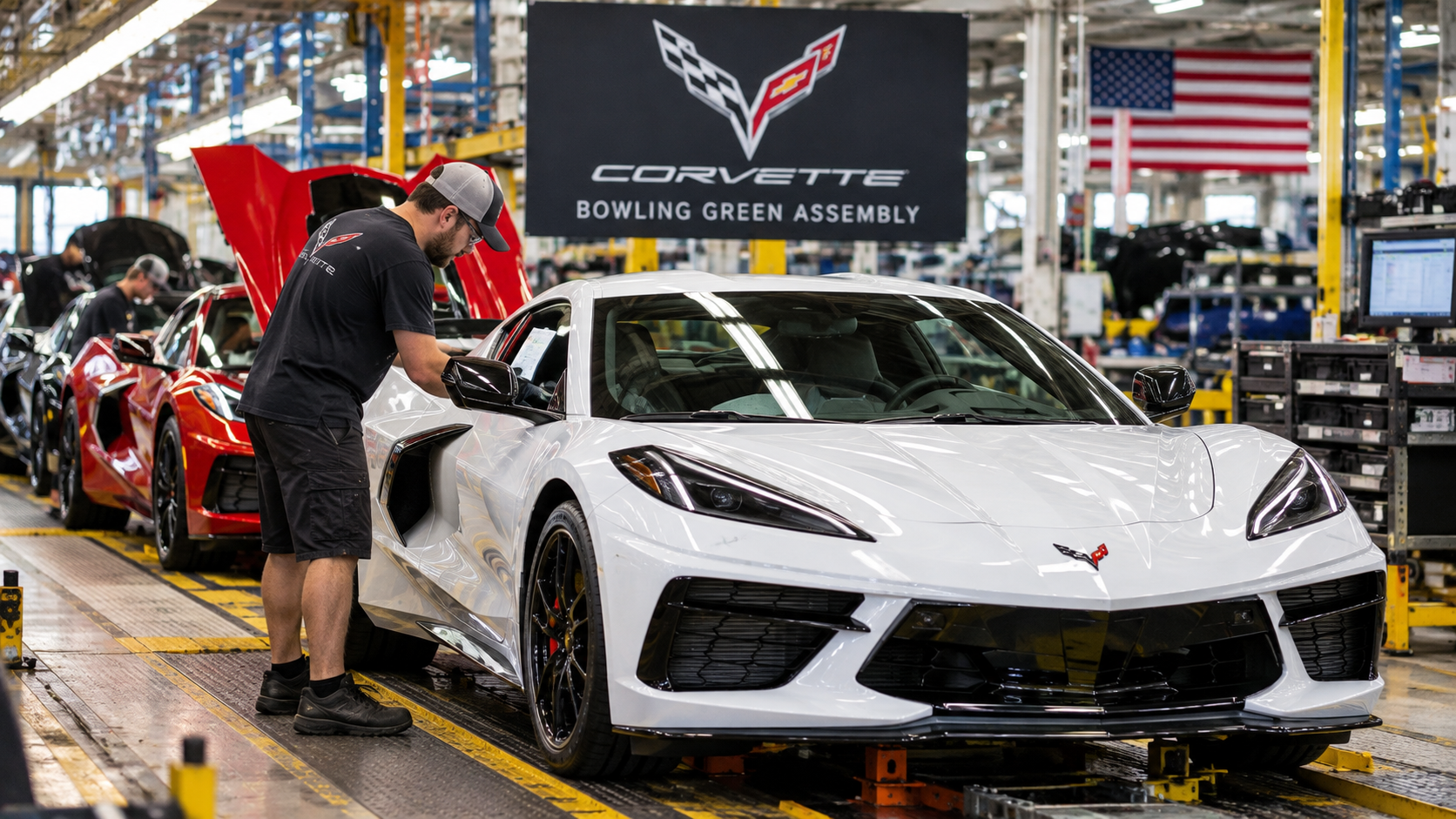
The 2026 Corvette Z06 LT6 engine produces 670 horsepower from a naturally aspirated 5.5L V8. Its flat-plane crankshaft and dual overhead camshafts support an 8,600 rpm redline. However, maximum horsepower arrives at 8,400 rpm, before the engine reaches that limit. Peak torque measures 460 lb-ft at 6,300 rpm. The LT6 uses a different architecture from the Stingray's 6.2L LT2 V8. It combines a lightweight rotating assembly, 32 valves, and six-stage dry-sump lubrication. Together, these components support high engine speeds and oil control during demanding cornering. Examining their individual functions explains the Z06's mechanical character beyond its horsepower rating. LT6 Engine Architecture The Z06's LT6 is a purpose-developed V8 with a 5.5L displacement. Unlike the Stingray's pushrod LT2, the LT6 uses dual overhead camshafts and a flat-plane crankshaft. Furthermore, its internal construction supports operation at engine speeds uncommon among production V8 cars. The principal LT6 specifications include: Displacement and induction: The naturally aspirated 5.5L V8 produces power without a turbocharger or supercharger. Maximum horsepower: The LT6 produces 670 horsepower at 8,400 rpm. Maximum torque: The engine produces 460 lb-ft at 6,300 rpm. Engine redline: The 8,600 rpm limit sits above the horsepower peak. Compression ratio: The LT6 uses a 12.5:1 compression ratio. Valve architecture: Four overhead camshafts operate 32 valves. These measurements describe different points across the engine's operating range. Torque reaches its maximum before horsepower, while redline marks the upper engine-speed limit. Therefore, the three figures should not be treated as interchangeable measurements. Flat-Plane Crankshaft Design Most traditional Chevrolet V8 engines use a cross-plane crankshaft. The LT6 instead uses a flat-plane arrangement, which places its crankpins in a different geometric pattern. Consequently, the design changes firing characteristics, counterweight requirements, vibration, and exhaust sound. However, the crankshaft alone does not establish the 8,600 rpm redline. Chevrolet combines its geometry with a short piston stroke and lightweight rotating components. These choices reduce the mass the engine must accelerate through each revolution. Additionally, the intake, exhaust, and valvetrain must move air and operate accurately at high engine speeds. The flat-plane crank contributes to the LT6's distinct sound, but its mechanical role reaches beyond exhaust tone. Its design forms part of a larger high-revving engine architecture. Dual Overhead Camshaft Configuration The Stingray's LT2 operates its valves through a camshaft located inside the engine block. By contrast, the LT6 uses four overhead camshafts, with two serving each cylinder bank. Its 32 valves provide separate intake and exhaust passages for every cylinder. The LT6 also uses a mechanical finger-follower valvetrain. Each follower transfers movement from a camshaft lobe to a valve. Additionally, titanium intake valves and sodium-filled exhaust valves address different mechanical and thermal demands. Dual-coil valve springs support valve control as engine speed rises. Consequently, camshaft operation, spring control, and rotating component mass all contribute to the engine's upper operating range. No single component establishes an engine's service life, so Chevrolet's maintenance instructions remain essential. Naturally Aspirated Power Delivery The LT6 reaches 670 horsepower without compressed intake air from a turbocharger or supercharger. Instead, its displacement, valve operation, and high engine speed support airflow through the cylinders. Consequently, engine output rises toward the upper portion of the rev range. The 460 lb-ft torque peak occurs at 6,300 rpm. Maximum horsepower follows at 8,400 rpm, allowing the engine to continue producing substantial output as speed increases. However, peak figures alone do not describe every moment of throttle operation. Furthermore, the eight-speed dual-clutch transmission works with the LT6's engine-speed range. Its shift programming and available drive settings change how the vehicle selects and holds gears. Drivers can therefore evaluate the engine's response across different speeds without assuming every driving setting feels identical. 0 to 60 and Acceleration Metrics Chevrolet publishes a 2.6-second available 0 to 60 mph time for the 2026 Corvette Z06. However, that figure reflects a specific test configuration and controlled launch procedure. Tires, pavement, temperature, and vehicle equipment can change measured acceleration. The Z06 sends power through an eight-speed dual-clutch transmission to its rear wheels. During a launch, engine output, clutch engagement, and traction control must work together. Consequently, acceleration depends on more than the LT6's peak horsepower. Furthermore, rapid gear changes keep the engine operating within a useful part of its rev range. The transmission helps the Z06 convert the LT6's high-rpm output into forward acceleration. This explains why engine speed and gearbox operation belong in the same technical discussion. Redline and High-RPM Engineering An 8,600 rpm redline places demanding requirements on the engine's rotating assembly and valvetrain. Each revolution moves pistons, connecting rods, valves, and other components through carefully timed mechanical cycles. Therefore, material selection and component mass matter as engine speed increases. The LT6 uses several engineering features to address those demands: Titanium connecting rods: Their lightweight construction reduces reciprocating mass within the rotating assembly. Forged pistons: Their construction supports the mechanical demands placed on the piston assembly during combustion. Short piston stroke: The geometry limits piston travel per revolution, contributing to the high-speed design. Mechanical finger followers: These components transfer camshaft movement to the valves at precisely controlled intervals. Six-stage dry-sump lubrication: Dedicated oil scavenging moves lubricant from the crankcase into an external reservoir. The lubrication arrangement addresses another challenge during sustained cornering. Scavenge pumps collect oil from the engine, while a pressure circuit delivers lubricant to moving components. As a result, the arrangement reduces the risk of oil collecting away from the pickup during high lateral loads. However, dry-sump lubrication cannot eliminate every possible oiling concern. Correct oil levels, approved fluids, and scheduled service remain essential. The owner's manual also provides specific preparation instructions for demanding track operation. Cooling and Aerodynamic Integration High engine output also produces substantial heat. Therefore, the Corvette Z06 uses model-specific air openings, heat exchangers, and cooling passages. These components move heat away from the engine and other drivetrain equipment. In addition, the Z06's bodywork manages air around and through the car. Available aerodynamic packages change downforce and drag characteristics at speed. However, cooling airflow and aerodynamic downforce serve different mechanical purposes. Heat exchangers remove energy from working fluids, while aerodynamic surfaces manage external airflow and vehicle loading. Consequently, the cooling and aerodynamic equipment should be evaluated as distinct parts of the overall design. Chassis and Brake Enhancements The Z06 includes changes that extend beyond its LT6 engine. Its wider body accommodates larger tires, while suspension tuning supports the vehicle's weight distribution and intended driving characteristics. Additionally, available carbon-ceramic brakes provide another equipment choice for demanding use. Brake operation depends on friction, thermal capacity, cooling, and the condition of individual components. Therefore, no brake package guarantees the absence of fade under every driving circumstance. Wider tires also provide a larger contact patch under appropriate loads. However, actual traction still changes with tire construction, temperature, road surface, and inflation. For this reason, the chassis and brake equipment should be considered alongside the engine's output. How the LT6 Differs from the LT2 The LT2 and LT6 both power mid-engine Corvettes, but they use different mechanical architectures. The Stingray's LT2 follows Chevrolet's familiar pushrod V8 design. By contrast, the Z06's LT6 uses overhead camshafts, a flat-plane crankshaft, and a smaller displacement. Several distinctions separate the two engines: LT2 displacement: The Stingray uses a naturally aspirated 6.2L V8 with a cross-plane crankshaft. LT6 displacement: The Z06 uses a naturally aspirated 5.5L V8 with a flat-plane crankshaft. Valve operation: The LT2 uses pushrods, while the LT6 uses dual overhead camshafts. Engine speed: The LT6 reaches an 8,600 rpm redline, placing its horsepower peak higher in the rev range. These distinctions explain why the LT6 is a separate engine design, not merely an LT2 with revised tuning. The two engines use different methods to develop and deliver power. Therefore, the Stingray and Z06 offer distinct mechanical characteristics within the C8 generation. Top Speed and Track Intent The Z06 pairs its high-revving V8 with chassis and aerodynamic equipment suitable for demanding circuit driving. However, top speed and lap results change with configuration, tires, and testing circumstances. Available aerodynamic packages also change the balance between downforce and drag. Additionally, track driving requires attention to fluid temperatures, tire pressures, brake condition, and Chevrolet's preparation procedures. Engine architecture alone does not establish how a specific vehicle will respond throughout a session. The LT6's high engine-speed range works alongside the transmission and chassis hardware. Therefore, the Z06's engineering character comes from their interaction, not a single acceleration or top-speed number. Exploring the 2026 Corvette Z06 and LT6 Engine Build The Z06 pairs its naturally aspirated LT6 with an eight-speed dual-clutch transmission and Corvette-specific chassis equipment. Consequently, engine selection involves more than peak horsepower. Consider its high engine-speed characteristics, transmission operation, available equipment, and your driving plans. Chevrolet also offers a Custom Engine Build program for eligible LT6 orders. Through the program, customers assemble their engine alongside a master technician at Bowling Green Assembly. Availability is limited, and the factory order must include the appropriate PBC option. Ross Downing Corvettes provides information about the Corvette Engine Build Experience. Confirm current program requirements directly with the dealership, since availability and ordering arrangements can change. For customers planning a configuration, the Order a Corvette page provides a starting point for selecting equipment. You can also explore new Corvette inventory to review available vehicles. The LT6's mechanical design gives the Z06 a distinctive high-revving character. Before selecting a Corvette, compare engine specifications, available equipment, and how the car feels during a suitable drive. Those considerations give you a clearer basis for choosing your next Z06.